Cheap overnight electricity tariffs
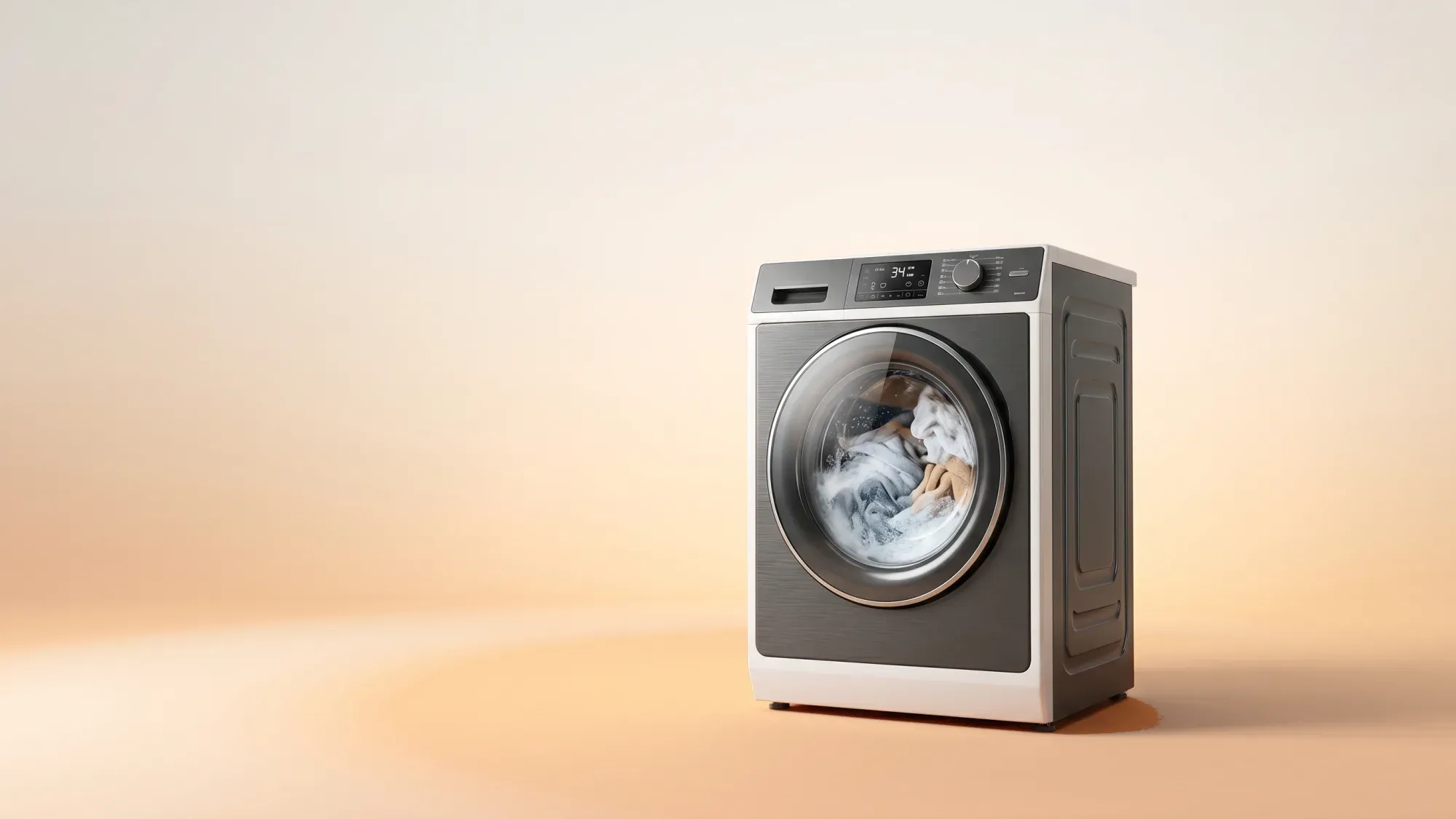
Utilising cheaper overnight electricity tariffs can significantly reduce your energy bills, particularly if your household has high energy needs during off-peak hours. These tariffs offer lower rates when demand on the National Grid is lowest, encouraging you to shift consumption and save money. This article explains how off-peak electricity works and how you can access and optimise these cost-effective options.
Fuse Energy offers smart, dual-rate tariffs designed to help you make the most of cheaper overnight electricity. By providing clear pricing and in-app usage data, we empower you to take control of your energy consumption and lower your bills. Click here to switch to Fuse Energy today.
Enter your address to get a quote and see how much you could save
Understanding off-peak electricity
What is off-peak electricity?
Off-peak electricity refers to periods when demand on the National Grid is at its lowest, typically during the night. Energy suppliers offer lower rates during these times to encourage consumption when the grid is less strained. Conversely, "peak" hours are when demand is highest, often in the morning and early evening, leading to higher electricity costs.
How do electricity prices fluctuate?
Electricity prices in the UK fluctuate throughout the day, driven by the balance of supply and demand. When demand is low, such as overnight, there is an abundance of available electricity, leading to cheaper rates. This dynamic pricing model allows suppliers to pass on savings to customers who can adapt their usage patterns.
Types of cheaper overnight tariffs
Economy 7 and its timings
Economy 7 is a long-standing dual-rate tariff that provides cheaper electricity for seven hours overnight, with a higher rate during the day. The exact timings for Economy 7 can vary by supplier and region. This tariff requires a multi-register (dual-rate) meter to record peak and off-peak usage separately.
Smart meter tariffs and dynamic pricing
Modern smart meters have opened the door to more flexible and dynamic tariffs than traditional Economy 7. These tariffs can offer multiple pricing periods throughout the day, or even hourly rates that reflect real-time wholesale electricity costs. Dual-rate tariffs, including many smart meter options, require either a smart meter or a multi-register dumb meter to function effectively.
What is a dual-rate tariff?
A dual-rate tariff charges different prices for electricity used during peak and off-peak hours. This encourages consumers to shift high-consumption activities to quieter, cheaper periods, typically overnight. These tariffs require a meter capable of recording usage separately for each period, such as a smart meter or a traditional multi-register meter.
Who benefits most from off-peak rates?
Off-peak tariffs are particularly beneficial for households with high overnight energy needs. This includes those who charge electric vehicles (EVs), use storage heaters, or run large appliances like washing machines and dishwashers overnight. The average UK home uses around 2,500 kWh of electricity per year, and shifting a significant portion of this to off-peak times can lead to substantial savings.
Benefits of cheaper overnight electricity
Reducing your energy bills
The most direct benefit of using cheaper overnight electricity is a significant reduction in your overall energy bills. By strategically scheduling your energy-intensive tasks, such as charging an electric vehicle or running a heat pump, you pay less per unit for a substantial portion of your consumption. This active management of your energy usage, facilitated by smart tariffs and technology, can lead to tangible financial savings and greater peace of mind about your household budget.
Empowering high-consumption activities
Instead of feeling constrained by high energy costs, cheaper overnight rates empower you to use more energy when it is most affordable. This means you can comfortably charge your EV to full capacity, ensure your home is warm with storage heaters, or run essential appliances like washing machines and tumble dryers without the constant worry of expense. It transforms energy from a constraint into an enabler, allowing you to live more freely and make the most of your home's capabilities.
Contributing to grid stability
By shifting your energy demand to off-peak hours, you also play a role in contributing to the stability of the National Grid. Lower demand during peak times reduces strain on the energy infrastructure, making the system more efficient and resilient for everyone. This collective shift helps balance supply and demand across the country.
Accessing and optimising off-peak rates
Checking your meter type
Before switching to an off-peak tariff, it is crucial to check your current meter type. Dual-rate tariffs require either a smart meter or a multi-register (dual-rate) dumb meter to accurately record your peak and off-peak usage. You can usually find information about your meter type on your energy bill or by contacting your current supplier.
Upgrading to a smart meter
If you have an older, single-rate meter, upgrading to a smart meter is often the best way to access modern dual-rate tariffs. Smart meters provide automated readings and enable time-of-use pricing, giving you more control and visibility over your energy consumption. Your current energy supplier is responsible for installing your smart meter, and this upgrade is typically free of charge.
Shifting your energy usage
Once on an off-peak tariff, the key to maximising savings is actively shifting your energy usage. This involves programming appliances like washing machines, tumble dryers, and dishwashers to run overnight when rates are lowest. For EV owners, scheduling charging during the cheapest hours is essential to significantly reduce running costs. Even small changes, like using a timer for your immersion heater, can add up to noticeable savings.
Using smart home technology
Smart home devices and energy management apps can significantly enhance your ability to optimise off-peak rates. These tools provide granular control and visibility over your energy consumption, allowing you to monitor usage in real-time and schedule appliances remotely. Many modern smart appliances can even integrate directly with your energy tariff, automatically consuming power during the most cost-effective periods. The Fuse app, for instance, offers transparent data and control, helping you manage your usage during cheaper times and make informed decisions about your energy consumption.
Future-proofing your energy strategy
The RTS meter phase-out
The Radio Teleswitch Service (RTS), which controls older multi-rate meters, is being phased out across the UK. This phase-out began on 30 June 2025, meaning affected meters will need to be replaced with smart meters. If you have an RTS meter, your current supplier will contact you to arrange a free replacement with a smart meter. This is a crucial step to ensure you can continue to access off-peak rates and benefit from modern energy management.
Embracing smart energy management
The future of energy is increasingly smart and flexible. Embracing smart energy management means leveraging technology to adapt to fluctuating prices and make informed decisions about your consumption. This approach not only helps you save money but also aligns with a more efficient and sustainable energy system.
Making an informed switch
Choosing the right energy tariff and supplier is a critical step in optimising your energy costs. Compare available off-peak tariffs from various suppliers, considering your household's specific energy needs and how much usage you can realistically shift to off-peak times. Look for suppliers that offer transparent pricing, clear terms, and user-friendly tools to help you manage your usage. By making an informed switch to a provider like Fuse Energy, which offers advanced dual-rate tariffs and a powerful app, you can gain greater control over your energy bills and contribute to a more flexible and abundant energy future. Don't let energy costs dictate your lifestyle; empower yourself with smart choices and technology.
Managing your energy bills should be clear and easy to understand. Fuse Energy focuses on straightforward pricing, so you can see exactly what you are paying without unnecessary complexity. If you have a smart meter, you can view detailed usage data through the app or website, helping you understand how you can lower your bills. If you do not have a smart meter, Fuse Energy can upgrade your non-smart meter, completely for free. This can make it easier to track spending and make informed decisions about your energy use. Our 24/7 human support team is always on hand with fast response times whenever you need help. Click here to switch to Fuse Energy today. Find out about our mission by clicking here.
Disclaimer
For the avoidance of doubt, this article is provided for informational purposes only and is not intended to constitute legal or financial advice. The author and/or Fuse Energy shall not be responsible for any losses arising out of any reliance on the information contained herein.