Charge anytime: flexible EV and home battery charging
Flexible energy management allows UK homeowners to cut electricity costs by charging electric vehicles (EVs) and home batteries during off-peak hours or when renewable generation is high. By optimising when you charge, you can take advantage of cheaper rates and contribute to a more stable, greener grid. This article details the essential technologies, tariffs, and regulatory landscape that enable smart energy management.
Understanding flexible charging for EVs and home batteries
What is smart charging?
Smart charging uses technology to schedule your EV or home battery charging sessions automatically. Instead of simply plugging in for an immediate top-up, smart systems charge devices when electricity is cheaper or when renewable energy generation is abundant. This often means charging overnight or during periods of low demand on the grid, leveraging time-of-use tariffs to reduce costs and support grid stability.
Benefits of optimising your charging schedule
Optimising your charging schedule offers significant advantages. It allows you to reduce energy bills by utilising lower off-peak electricity rates, which can be considerably cheaper than peak rates. This approach also helps to balance demand on the National Grid, making it more efficient and reducing the need for fossil fuel generation during peak times. For EV drivers, home charging is often more convenient and cost-effective than public charging, providing greater control over energy usage.
Key technologies and tariffs for smart energy management
Smart meters and time-of-use tariffs
Smart meters are fundamental to flexible charging, providing granular data on energy consumption and enabling variable pricing. Time-of-use (ToU) tariffs, sometimes called multi-rate tariffs, offer different electricity prices depending on the time of day. Electricity is typically more expensive during peak hours (e.g. 4-8pm on weekday evenings) and cheaper during off-peak hours, encouraging users to shift their energy use. While smart meters provide detailed usage data, eligibility for off-peak or dual-rate tariffs is generally determined by your meter's configuration (Standard Settlement Configuration, or SSC), rather than strictly requiring a smart meter that sends half-hourly updates.
EV chargers and home battery systems
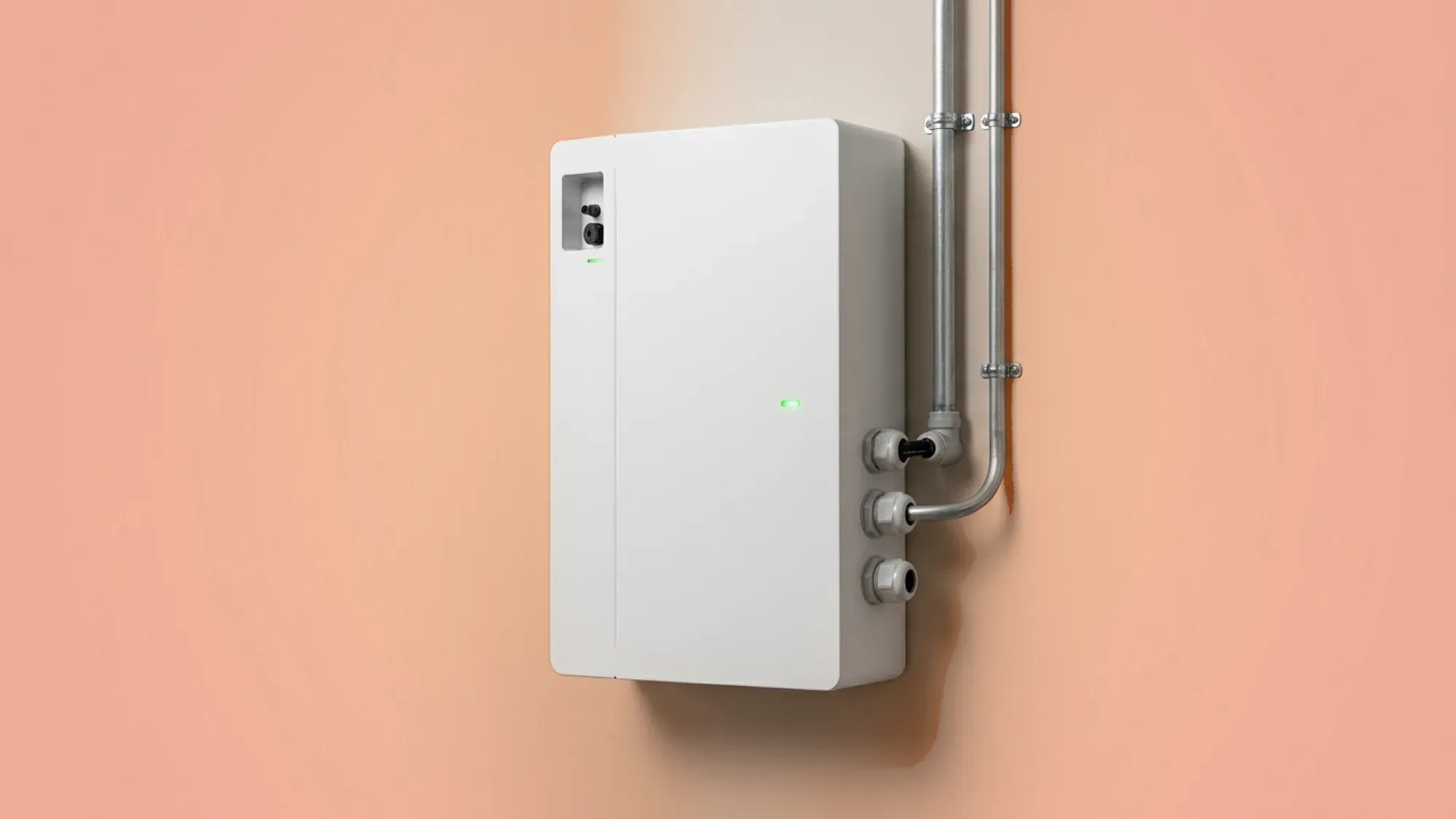
Modern EV chargers are equipped with smart features, allowing them to connect to your home's smart meter and the grid via Wi-Fi or 4G/5G. This connectivity enables scheduling, remote control, and dynamic load balancing, ensuring your vehicle charges at the most cost-effective and efficient times. Home battery systems complement this by storing electricity from the grid during cheaper periods or from solar panels, then discharging it when demand or prices are high, further enhancing energy independence.
Integrating plug-in solar for self-consumption
Plug-in solar kits offer an accessible way to generate your own electricity, contributing to a holistic home energy management strategy. These small solar panel and microinverter systems plug into a standard wall socket, allowing homeowners to offset their base-load usage - the constant background draw from appliances like fridges. While plug-in solar does not qualify for the Smart Export Guarantee (SEG), self-consumption remains the primary saving, reducing the amount of power drawn from the grid. Some suppliers may offer their own export tariffs outside the SEG scheme for any unused generation that goes back to the grid.
Implementing a flexible charging strategy
Assessing your energy needs and tariff options
Before adopting a flexible charging strategy, assess your household's energy consumption patterns, particularly when your EV or home battery typically needs charging. The average UK home uses around 2,500 kWh of electricity per year, based on Ofgem's medium Typical Domestic Consumption Value (TDCV) effective from 1 July 20261. Research available time-of-use tariffs from energy suppliers to find one that aligns with your usage habits and offers significant off-peak savings.
Leveraging smart apps and automation
Smart apps and automation tools are crucial for managing flexible charging. These applications allow you to schedule charging sessions during off-peak periods, monitor your energy usage in real-time, and track your savings. Many EV chargers and home battery systems integrate with these apps, providing seamless control over your energy flow.
Navigating regulatory requirements and grants
Understanding the regulatory landscape and available support is key to implementing a flexible charging strategy. This includes knowing about grants for EV chargepoints and regulations for microgeneration systems like plug-in solar. Further details on these are provided in the next section.
Regulatory landscape and available support
OZEV EV Chargepoint Grants
The Office for Zero Emission Vehicles (OZEV) offers EV Chargepoint Grants to support the installation of home chargepoints. These grants provide up to £500 towards the cost of installing a chargepoint for eligible households. Eligibility is specific: it primarily covers renters and flat owners, or households with on-street parking who are installing a cross-pavement solution. Homeowners who own and live in a house with private off-street parking typically do not qualify for these domestic grants. The customer applies for the grant themselves, and the installer's role begins after approval.
Plug-in solar regulations and DNO notification
Since 27 August 2026, compliant standalone plug-in solar kits have been legal in Great Britain under Statutory Instrument (SI) 2026/848. These kits are subject to an 800W AC export limit per device and, for now, are limited to one unit per property. Plug-in batteries and hybrid solar and battery systems are not covered by this legislation. Following installation, the consumer or their supplier must notify the Distribution Network Operator (DNO) under G98 within 28 days.
Maximising savings and achieving energy independence
Optimising for grid demand and renewable generation
To truly maximise savings and achieve greater energy independence, align your flexible charging with periods of high renewable generation and low grid demand. This not only reduces your costs but also supports the wider energy system by utilising clean energy when it's most available. Monitoring your energy usage and adjusting your strategy as needed will help you continuously optimise your home's energy flow.
The role of human support in energy management
Navigating the complexities of flexible charging, tariffs, and smart technologies can be challenging. Having access to reliable support is crucial. Fuse Energy offers 24/7 human customer support to assist customers with their energy management, including queries about flexible charging.
For the avoidance of doubt, this article is provided for informational purposes only and is not intended to constitute legal or financial advice. The author and/or Fuse Energy shall not be responsible for any losses arising out of any reliance on the information contained herein.
Charge anytime: flexible EV and home battery charging