Car charger installation costs and grants
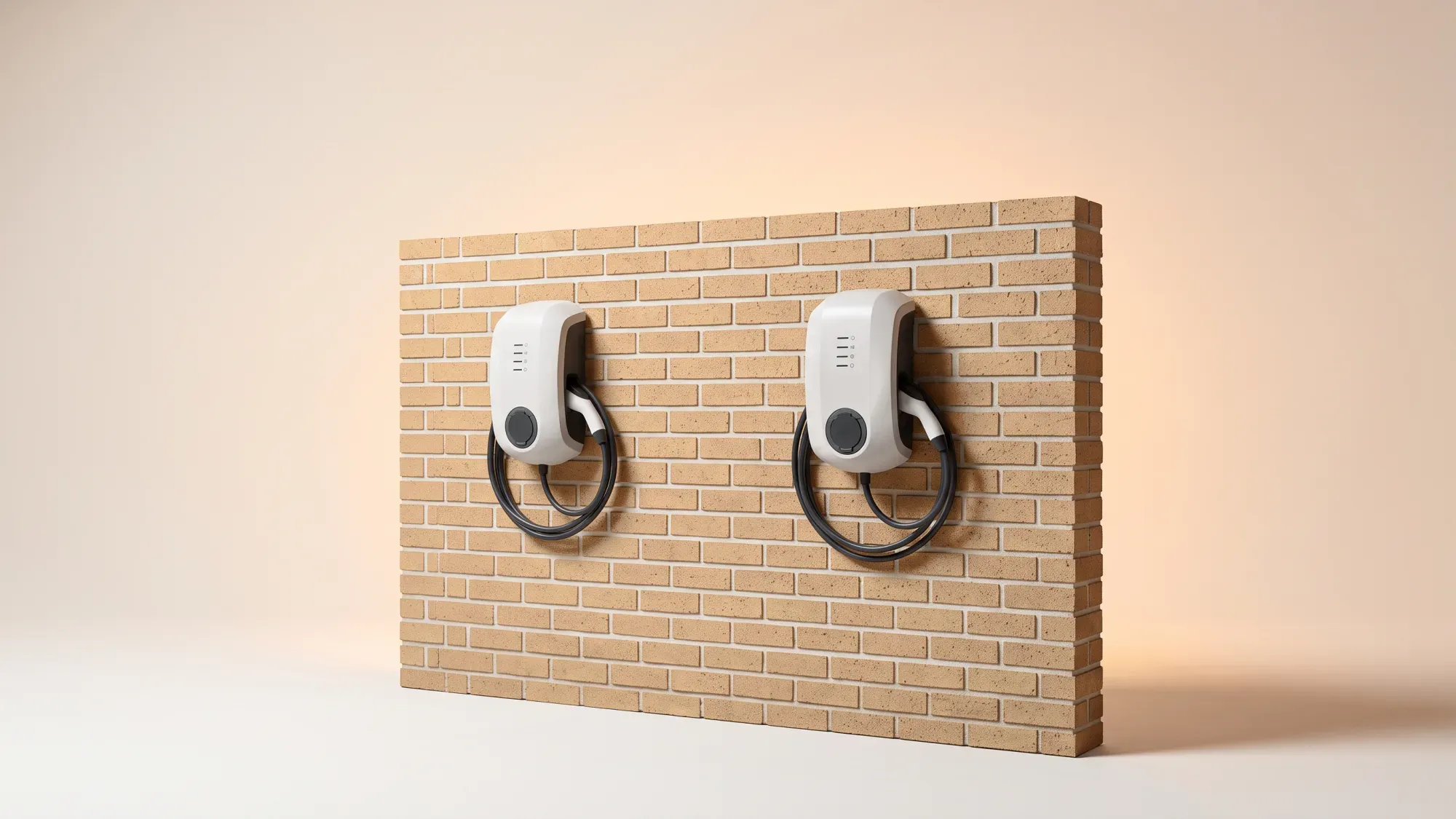
Installing an electric vehicle (EV) charger at home offers unparalleled convenience and control over your energy use, marking a significant step towards energy independence for homeowners. This guide breaks down the process, costs, and current grant availability for home car charger installation, helping you navigate your options with clarity.
Considering a home car charger installation? Fuse Energy makes it simple to power your electric vehicle, offering competitive pricing and expert installation of the Easee One charger. Get started with a smarter way to charge your EV by clicking here today.
Enter your address to get a quote and see how much you could save
Why install a home EV charger?
Bringing EV charging capabilities to your home means you can power up your vehicle overnight, ready for the next day's journeys, and integrate it into your wider home energy management. It is about taking charge of your energy consumption and future-proofing your home.
Convenience and control
The primary benefit of a home EV charger is convenience. No more detours to public charging stations or waiting in queues; simply plug in your car when you get home. This daily routine transforms EV ownership from a logistical challenge into a seamless experience. Beyond convenience, home charging offers greater control over your energy costs, especially when paired with smart charging solutions that optimise usage during off-peak hours.
Cost savings and smart charging
Charging your EV at home is typically more cost-effective than relying on public charging networks. With the right energy tariff, you can significantly reduce your running costs by charging when electricity is cheapest. Smart chargers allow you to schedule charging, monitor energy consumption, and even integrate with home energy management systems, further enhancing savings. Many homeowners often pair this with a smart meter installation to track usage and maximise savings.
Future-proofing your home
As EV adoption grows, a home charging point is becoming an increasingly desirable feature for properties. Installing one now adds value to your home and ensures you are prepared for the future of personal transport. It also aligns with broader efforts to transition to a more electrified and sustainable energy future.
Understanding EV charger installation costs
The total cost of installing an EV charger at home can vary widely, influenced by the charger type, your property's electrical system, and the installer you choose. It is crucial to consider all potential expenses to avoid unexpected bills.
Charger unit cost
The price of the EV charger unit itself is a significant component of the overall cost. Chargers range from basic models to faster units, with features like smart connectivity, tethered cables, and aesthetic designs impacting the price.
Installation labour and materials
Installation costs cover the labour of the electrician, wiring, mounting, and any necessary trunking. Factors such as the distance from your consumer unit to the charging point, the complexity of the cable run, and the need for earth rod installation can all affect the labour and material costs.
Potential electrical upgrades
Older properties or those with limited electrical capacity may require upgrades to their consumer unit or main fuse before an EV charger can be safely installed. These electrical upgrades, such as a Fuse cutout upgrade from your Distribution Network Operator (DNO) or meter tail upgrades, can add to the total cost and should be identified during the initial property assessment.
Fuse Energy's Easee one installation
Fuse Energy offers a competitive Easee One EV charger installation service, with a base cost of £899. This includes full installation (up to 15m of cabling), surge protection, and a 3-year warranty on the Easee One unit. The Easee One is a 7.4 kW charger with a universal socket, measuring H256 × W193 × D106 mm.
OZEV grants for home EV charger installation
Government grants can help reduce the cost of installing an EV charger, but eligibility criteria are specific and have changed. It is essential to understand the current schemes and who qualifies.
Current grant schemes and eligibility
The Office for Zero Emission Vehicles (OZEV) offers several chargepoint grants, available until 31 March 2027, under a streamlined five-scheme portfolio. For domestic installations, key grants include the EV Chargepoint Grant for renters and flat owners, which offers up to £500 towards installation costs for eligible individuals who own and live in a flat, or rent and live in any residential property with private off-street parking. Another scheme, the EV Chargepoint Grant for households with on-street parking, also provides up to £500 for those installing a cross-pavement solution and who only have on-street parking.
Who is not eligible for domestic grants
It is important to note that a typical homeowner who owns and lives in a house with private off-street parking does not qualify for any current domestic OZEV chargepoint grant. The Electric Vehicle Homecharge Scheme (EVHS), which previously covered this demographic, has been discontinued. Therefore, if you own your home and have a driveway, you will likely need to cover the full installation cost yourself.
How to apply for an OZEV grant
For all current domestic OZEV chargepoint grants, the customer applies for the grant themselves via the GOV.UK eligibility/application page. Installers do not apply for these grants on behalf of domestic customers. The installer's role begins only after your application has been approved.
Who is eligible for the domestic OZEV EV Chargepoint Grant?
The domestic OZEV EV Chargepoint Grant is available for renters and flat owners in the UK, offering up to £500 towards installation costs. You must have private off-street parking. Homeowners living in houses with private off-street parking are generally not eligible for this grant.
The home EV charger installation process
Installing an EV charger involves several key steps, from initial assessment to post-installation support, ensuring a safe and efficient charging solution.
Initial assessment and quotation
The process begins with a property assessment by an OZEV-approved installer. This involves evaluating your home's electrical capacity, identifying the best location for the charger, and checking for any potential electrical upgrades required. Based on this, you will receive a detailed quotation.
DNO notification requirements
The DNO must be notified of an EV charger installation. This is a regulatory requirement to ensure the local electricity grid can safely accommodate the additional load. For many standard domestic installations, your installer can notify the DNO after the charger has been installed, typically within 28 days. However, if your property has limited supply capacity or you are installing multiple chargers, pre-approval from the DNO may be required before installation. Your installer will typically handle this notification on your behalf, or advise you on the process.
Installation day
On the day of installation, the approved electrician will install the charger unit, run the necessary cabling, and connect it to your home's electrical supply. The installation typically takes a few hours, depending on the complexity.
Post-installation checks and support
After installation, the charger will be tested to ensure it is functioning correctly and safely. Your installer should provide a warranty for both the charger and the installation work. Fuse Energy, for example, offers a 3-year warranty on the Easee One EV charger it installs. Ongoing customer support is also vital for any queries or issues that may arise.
Choosing an approved EV charger installer
Selecting the right installer is crucial for a safe, compliant, and efficient EV charger installation.
Importance of OZEV approval
Always choose an OZEV-approved installer. This ensures they meet government standards for quality and safety, and that any eligible grant applications can be processed. An OZEV-approved installer will have the necessary expertise and certifications to carry out the work correctly.
Installer qualifications and warranties
Verify that the installer's electricians are qualified and experienced in EV charger installations. Reputable installers will offer warranties on both the charger unit and their workmanship, providing peace of mind. It is also wise to check customer reviews and testimonials.
Fuse Energy's commitment to quality
Fuse Energy is an OZEV-approved installer, providing expert installation of the Easee One EV charger. We are committed to quality and offer 24/7 human customer support, ensuring you have reliable assistance whenever you need it.
Managing your home energy, including EV charging, should be clear and easy. Fuse Energy focuses on straightforward pricing and provides real-time usage data through our app, helping you understand and manage your electricity consumption. Our 24/7 human support team is always on hand with fast response times whenever you need help. Click here to switch to Fuse Energy today and take control of your energy bills. You can also find out more about our mission to power a sustainable future by clicking here.
Disclaimer
For the avoidance of doubt, this article is provided for informational purposes only and is not intended to constitute legal or financial advice. The author and/or Fuse Energy shall not be responsible for any losses arising out of any reliance on the information contained herein.