Understanding your boiler warranty
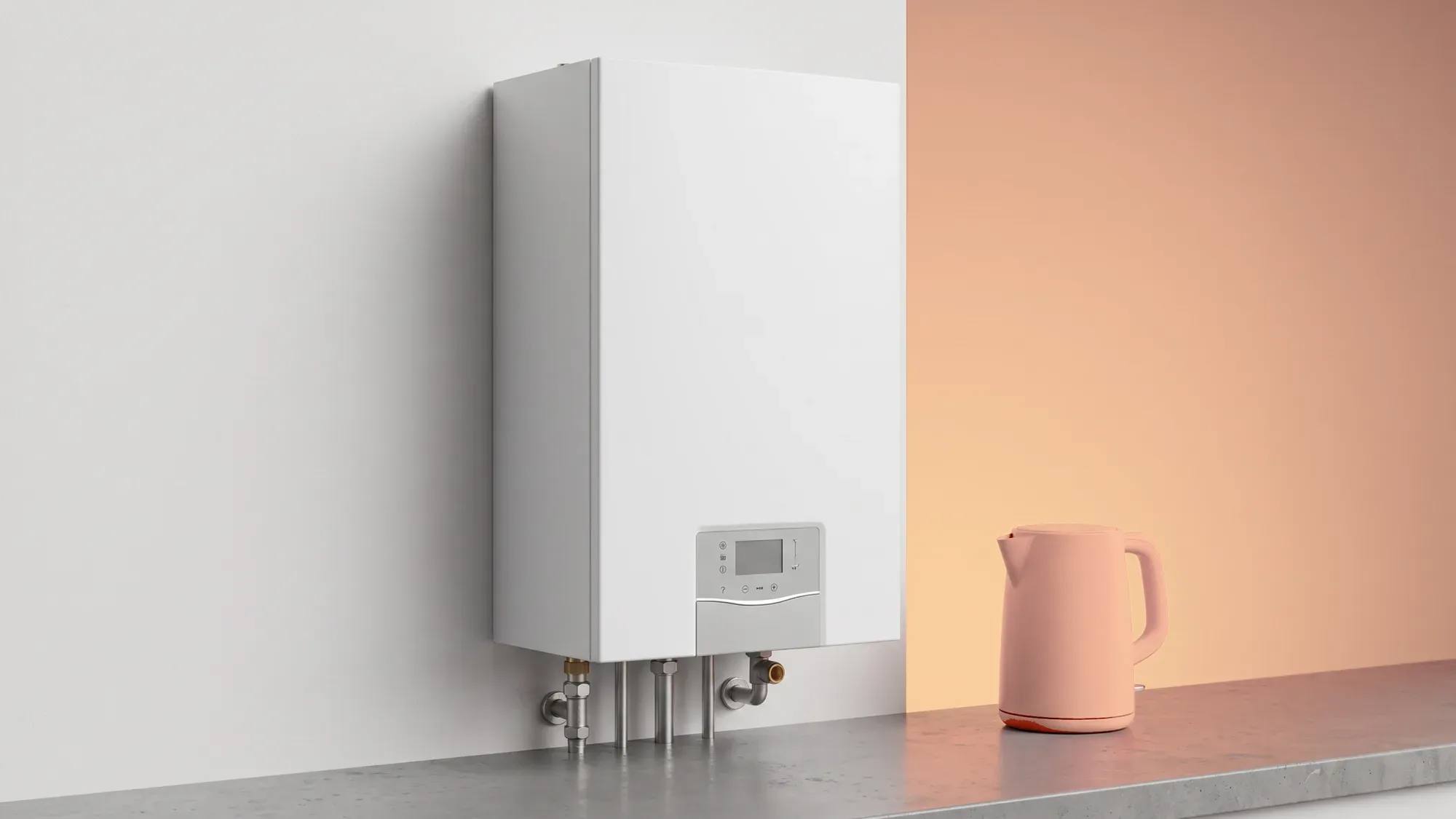
A boiler warranty protects you from unexpected repair costs, covering manufacturing defects for a specified period after installation. Understanding its terms, maintaining its validity, and knowing the difference between a warranty and other forms of cover is crucial for any UK homeowner. This guide clarifies everything you need to know, helping you ensure peace of mind for your home's heating system.
What is a boiler warranty?
A boiler warranty is a written commitment from the manufacturer to repair or replace your boiler if it develops a fault due to a manufacturing defect within a set timeframe. This agreement acts as a financial safety net, safeguarding you against significant costs for component failures that are the manufacturer's responsibility.
Warranty versus guarantee
The terms "warranty" and "guarantee" are often used interchangeably by boiler manufacturers, though there is a subtle distinction. A guarantee is typically a legally binding promise from the manufacturer to repair or replace faulty parts without additional terms, implying broader coverage. A warranty, while similar, often comes with specific conditions that you, as the homeowner, must meet to keep it valid. Some leading manufacturers, including Vaillant, now offer guarantees instead of warranties. Regardless of the term used, the crucial aspect is understanding the specific terms and conditions that apply to your boiler.
Why a boiler warranty is important
A boiler warranty is important because it protects homeowners from unexpected repair costs due to manufacturing defects. Without one, you could face significant expenses if your boiler breaks down shortly after installation. It provides peace of mind, knowing that the manufacturer stands behind their product for a defined period. This protection is particularly valuable given that the average lifespan of a modern boiler is typically 10 to 15 years.
What does a boiler warranty cover?
Understanding what your boiler warranty includes and excludes is essential to avoid surprises. While specific terms vary by manufacturer, there are common patterns.
Typical inclusions
Most boiler warranties cover parts and labour required to fix faults arising from manufacturing defects. This means if a component fails due to how it was made, the manufacturer will usually cover the cost of the replacement part and the engineer's time to fit it. This can include issues with the heat exchanger, pump, or other internal components.
Common exclusions
Boiler warranties generally do not cover problems caused by external factors, user error, or lack of maintenance. Common exclusions include:
- Damage from sludge or limescale build-up in the heating system.
- Faults caused by incorrect operation or accidental damage.
- Issues stemming from inadequate system pressure or frozen condensate pipes.
- Damage due to external events like power surges or floods.
- Costs associated with routine servicing or consumable parts that wear out over time.
How to keep your boiler warranty valid
Maintaining your boiler warranty requires adherence to specific conditions set by the manufacturer. Failing to meet these can void your warranty, leaving you responsible for repair costs.
Annual servicing requirements
Most boiler warranties in the UK require an annual service by a Gas Safe registered engineer to remain valid. This yearly check ensures your boiler operates safely and efficiently, and it's a non-negotiable condition for ongoing warranty protection. Keep records of all servicing, as you may need to provide proof if you make a claim.
The role of a gas safe registered engineer
All gas work, including boiler servicing and repairs, must be carried out by a Gas Safe registered engineer in the UK. This is not just a warranty requirement but a legal safety standard. A Gas Safe registered engineer has the necessary qualifications and expertise to work safely and correctly on your gas appliance, ensuring your warranty remains intact and your home is safe.
Registering your boiler
Registering your boiler promptly after installation is a critical step. Manufacturers typically specify a timeframe, often within 30 days of installation, during which you must register your new boiler to activate its warranty. Failing to do so can lead to the warranty being invalid from the outset. Your installer may register the boiler with the manufacturer on your behalf.
What voids a boiler warranty?
Several actions and omissions can invalidate your boiler warranty, leaving you without protection.
Unauthorised repairs or modifications
Any repairs or modifications to your boiler carried out by an unqualified person or without the manufacturer's authorisation will almost certainly void your warranty. This includes using non-genuine parts. Always use a Gas Safe registered engineer for any work on your boiler.
Lack of maintenance
Neglecting the required annual servicing is one of the most common reasons warranties are voided. Without regular checks by a Gas Safe registered engineer, manufacturers cannot guarantee the boiler's performance or safety, and they will not honour claims.
Incorrect installation
If your boiler was not installed correctly or in accordance with the manufacturer's instructions and relevant regulations, the warranty could be void. This highlights the importance of choosing a qualified and reputable installer. The Consumer Rights Act 2015 provides statutory rights for consumers regarding goods and services, including boilers and their installation.
Boiler warranty versus boiler cover
It's easy to confuse a manufacturer's warranty with boiler cover, but they offer different types of protection.
Manufacturer's warranty
A manufacturer's warranty, or guarantee, specifically covers faults that arise from manufacturing defects. It's tied to the boiler itself and typically lasts for a set number of years from the installation date, provided all conditions (like annual servicing) are met. It doesn't usually cover general wear and tear, accidental damage, or issues with your wider heating system.
Third-party boiler cover and insurance
Boiler cover, often offered by energy suppliers or specialist providers, is a broader form of protection. It's an insurance policy that can cover a wider range of issues, including breakdowns due to wear and tear, accidental damage, and sometimes even your central heating system, plumbing, and electrics. Unlike a manufacturer's warranty, boiler cover is a paid service that you choose to take out.
Choosing the right boiler and warranty
Selecting a new boiler involves considering its reliability and the terms of its warranty.
Considering boiler lifespan and reliability
When choosing a new boiler, consider models known for their reliability and efficiency. While the average lifespan of a modern boiler is typically 10 to 15 years, a well-maintained, high-quality boiler can last even longer. Researching manufacturer reputations and warranty terms can help you make an informed decision.
What is the average lifespan of a modern boiler?
A modern boiler typically lasts between 10 to 15 years. Regular maintenance, including annual servicing by a Gas Safe registered engineer, can help extend its operational life and ensure it runs efficiently throughout its lifespan. Choosing a reliable model and adhering to warranty conditions also contribute to long-term performance.
Fuse Energy and your boiler installation
Fuse Energy focuses on rebuilding the energy system by providing reliable home energy solutions. We install the Vaillant ecoTEC Plus, a highly regarded boiler that comes with a comprehensive manufacturer's guarantee. When you choose Fuse for your new boiler, you're investing in a quality product and expert installation. We educate homeowners on the importance of proper boiler maintenance to ensure warranty validity and long-term efficiency. While Fuse does not manufacture boilers, our commitment to a stable home energy system includes supporting you with reliable heating. Fuse also provides 24/7 human customer support, offering peace of mind for any heating system concerns, including those related to boiler maintenance.
References
Disclaimer
For the avoidance of doubt, this article is provided for informational purposes only and is not intended to constitute legal or financial advice. The author and/or Fuse Energy shall not be responsible for any losses arising out of any reliance on the information contained herein.