Boiler overpressure valve: your home safety guide
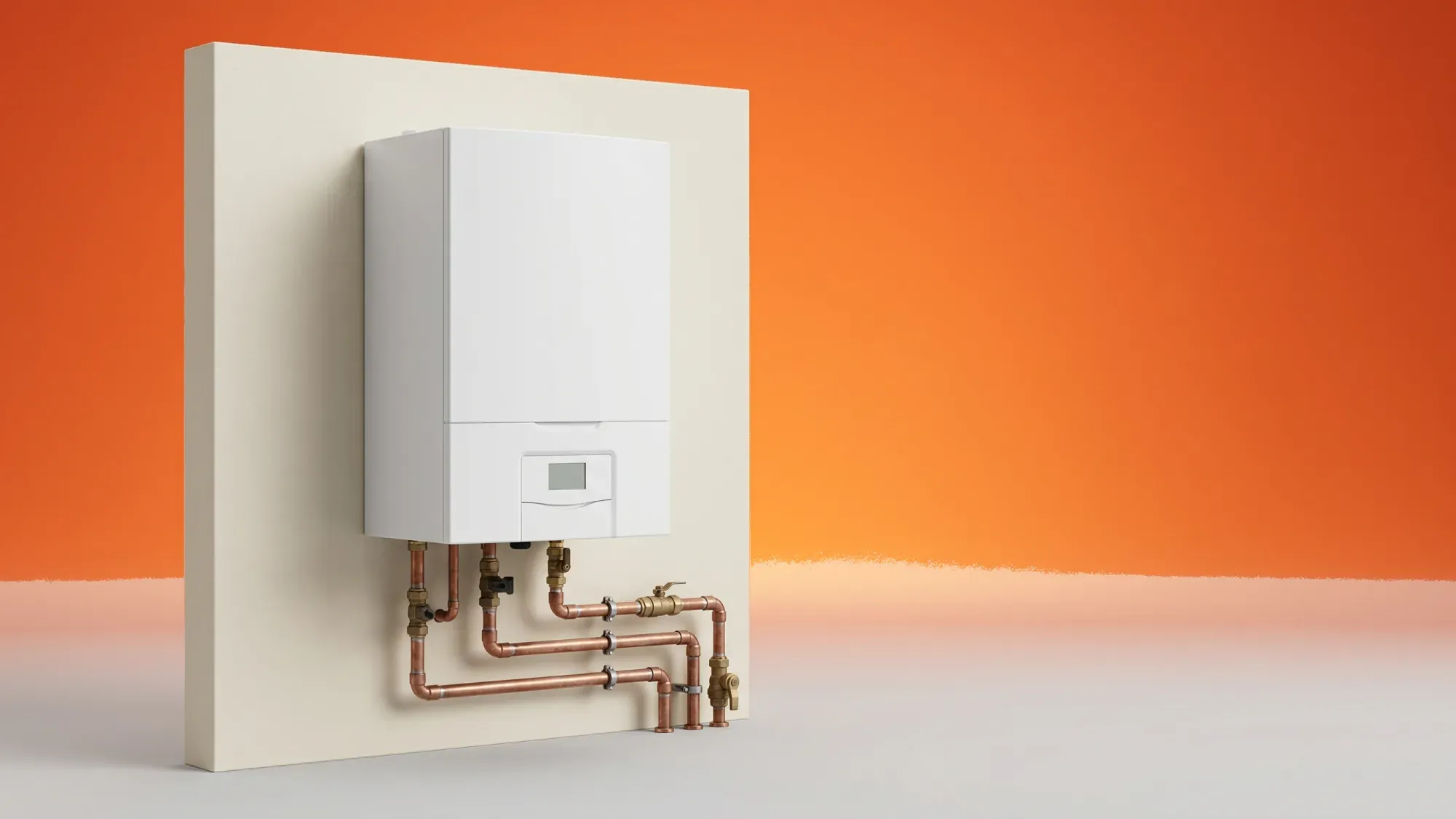
Your boiler's overpressure valve is a crucial, yet often overlooked, safety component designed to protect your home and heating system. Understanding its function, why it might activate, and what to do if it's dripping can prevent serious issues and ensure your central heating operates safely and efficiently.
What is a boiler overpressure valve?
A boiler overpressure valve, also known as a pressure relief valve (PRV), is a vital safety device in your central heating system. Its primary role is to prevent dangerous pressure build-up within the boiler and its pipework. Without it, internal pressure could rise to unsafe levels, potentially causing leaks, damage to components, or even a catastrophic system failure.
Its crucial role in boiler safety
Boilers operate within specific pressure ranges. If the pressure exceeds these limits, it places immense strain on the system's pipework, heat exchanger, and seals. The PRV acts as a non-negotiable safety feature, designed to activate and release pressure before it reaches hazardous levels, thereby protecting the boiler and ensuring the safety of your home. A malfunctioning overpressure valve can lead to dangerous pressure build-up, posing a risk of boiler explosion.
How the valve works
When the pressure inside your boiler system rises above a predetermined safe limit, typically set at 3 bar for domestic systems, the PRV automatically opens. This allows a small amount of hot water or steam to escape, reducing the internal pressure back to a safe level. Once the pressure has dropped, the valve closes again. The discharged water or steam is directed safely outside your property via a dedicated discharge pipe.
Why your boiler needs this safety device
The overpressure valve is not merely a convenience; it's a fundamental safety requirement that protects your property and its occupants.
Preventing dangerous pressure build-up
Modern boilers operate as sealed heating systems, circulating water under pressure. As water heats, it expands, causing the pressure within the system to rise. The PRV ensures that this natural expansion doesn't lead to excessive pressure. If the pressure were to continue rising unchecked, it could damage pipes, seals, and even lead to a boiler rupture in extreme cases. The Vaillant ecoTEC Plus boiler, a model installed by Fuse, incorporates robust safety features including an overpressure valve.
UK regulatory requirements
These valves are legally mandated for all closed heating systems in the UK to protect against catastrophic failure. UK Building Regulations mandate the installation and proper functioning of safety devices like overpressure valves in closed heating systems. Boiler manufacturers specify maintenance schedules for safety components, which should be adhered to for warranty validity and safe operation.
Common issues with boiler overpressure valves
A dripping or constantly discharging overpressure valve is a clear signal that something is amiss within your heating system and should not be ignored.
Why your PRV might be dripping
A dripping discharge pipe from your PRV indicates that the valve is releasing pressure, which means the system pressure has likely risen to around 3 bar. Common reasons for this include:
- Overfilled system: This often happens if too much water is added when repressurising the boiler.
- Faulty filling loop: If the filling loop valves are not fully closed after topping up the pressure, or if the loop itself is faulty, water can continuously enter the system, gradually increasing pressure.
- Expansion vessel problems: The expansion vessel absorbs the natural expansion of water as it heats up. If it becomes waterlogged or loses its air charge, it cannot perform this function, leading to pressure spikes.
- Faulty PRV: After opening a few times, the valve itself can fail to reseal properly due to debris, limescale, or wear, causing it to drip even at normal pressure.
Is a dripping boiler pressure relief valve dangerous?
A dripping PRV itself is not usually an immediate emergency, as the valve is performing its safety function. However, it indicates an underlying fault in the pressure management of your central heating system, such as overpressure or a failing component. This underlying issue should be addressed promptly by a Gas Safe registered engineer to prevent further damage or safety risks.
Signs of a faulty valve
Beyond constant dripping, other signs can indicate a faulty overpressure valve:
- Leaks: Water coming from your boiler could mean the PRV isn't working as it should.
- Constant pressure loss: If your boiler consistently loses pressure, even after repressurising, it could be escaping through a PRV that isn't sealing correctly.
- Boiler locking out: If your boiler frequently shuts down with an error code related to high pressure, it might be that the PRV isn't effectively managing pressure, or the underlying cause of high pressure is persistent.
- System cannot reach pressure: In some cases, a faulty PRV might be stuck open, preventing the system from building or holding adequate pressure.
Understanding high boiler pressure
The normal operating pressure for a domestic central heating system in the UK is typically between 1 and 1.5 bar when cold. When the heating is on, this may rise slightly to between 1.5 and 2.0 bar. Pressure is generally considered too high when it consistently rises above 2.5 bar during operation or remains well above the normal range when the system is cold. High pressure can lead to reduced efficiency, increased wear and tear, and potential damage to components.
Troubleshooting and what to do
While some initial checks are safe for homeowners, it's crucial to know when to call a professional.
Checking your boiler's pressure
Most combi and system boilers have a pressure gauge on the front, either a dial or a digital display.
- Locate the gauge: Find the pressure gauge on your boiler.
- Check the reading: The ideal pressure should be between 1 and 1.5 bar when the system is cold. If it's consistently above 2.5 bar, it's too high.
Initial steps for homeowners
If you notice your PRV dripping or your boiler pressure is high, you can take a few initial, safe steps:
- Identify the PRV and discharge pipe: Locate the valve on your boiler and trace its discharge pipe to where it exits your property, usually on an external wall.
- Observe the discharge: Note the nature and frequency of any water discharge. A continuous flow indicates a more serious problem than an occasional drip.
- Check the filling loop: Ensure the valves on your filling loop are fully closed. A partially open filling loop can continuously add water to the system.
- Bleed radiators: If your pressure is too high, bleeding your radiators can help release some pressure from the system.
When to never attempt DIY repairs
Do not attempt any repair or replacement of the overpressure valve yourself. Tampering with or blocking the valve can lead to extremely dangerous pressure build-up, risking boiler explosion. Any work that involves disturbing gas-carrying components or affects the combustion process must only be carried out by a Gas Safe registered engineer.
When to call a gas safe registered engineer
Work on gas boilers, including inspecting or replacing overpressure valves, must only be carried out by a Gas Safe registered engineer.
Identifying urgent situations
Contact a Gas Safe registered engineer immediately if:
- Your PRV is constantly dripping or discharging.
- Your boiler pressure consistently rises above 2.5-3.0 bar.
- Your boiler is frequently locking out or displaying fault codes related to pressure.
- You suspect a fault with the expansion vessel or filling loop.
- You notice any other unusual noises or leaks from your boiler.
The importance of professional inspection and repair
A Gas Safe registered engineer is a qualified professional who has met specific safety standards to work legally and safely with gas appliances. They have the training to spot hidden dangers, identify carbon monoxide leaks, or faulty installations that an unqualified person would easily miss. They can accurately diagnose the root cause of pressure issues, whether it's a faulty expansion vessel, a problem with the filling loop, or a worn-out PRV, and carry out the necessary repairs safely and effectively. Regular servicing by a Gas Safe registered engineer is also crucial for early detection of valve or pressure system problems, maintaining your boiler's warranty, and ensuring its longevity.
Disclaimer
For the avoidance of doubt, this article is provided for informational purposes only and is not intended to constitute legal or financial advice. The author and/or Fuse Energy shall not be responsible for any losses arising out of any reliance on the information contained herein.