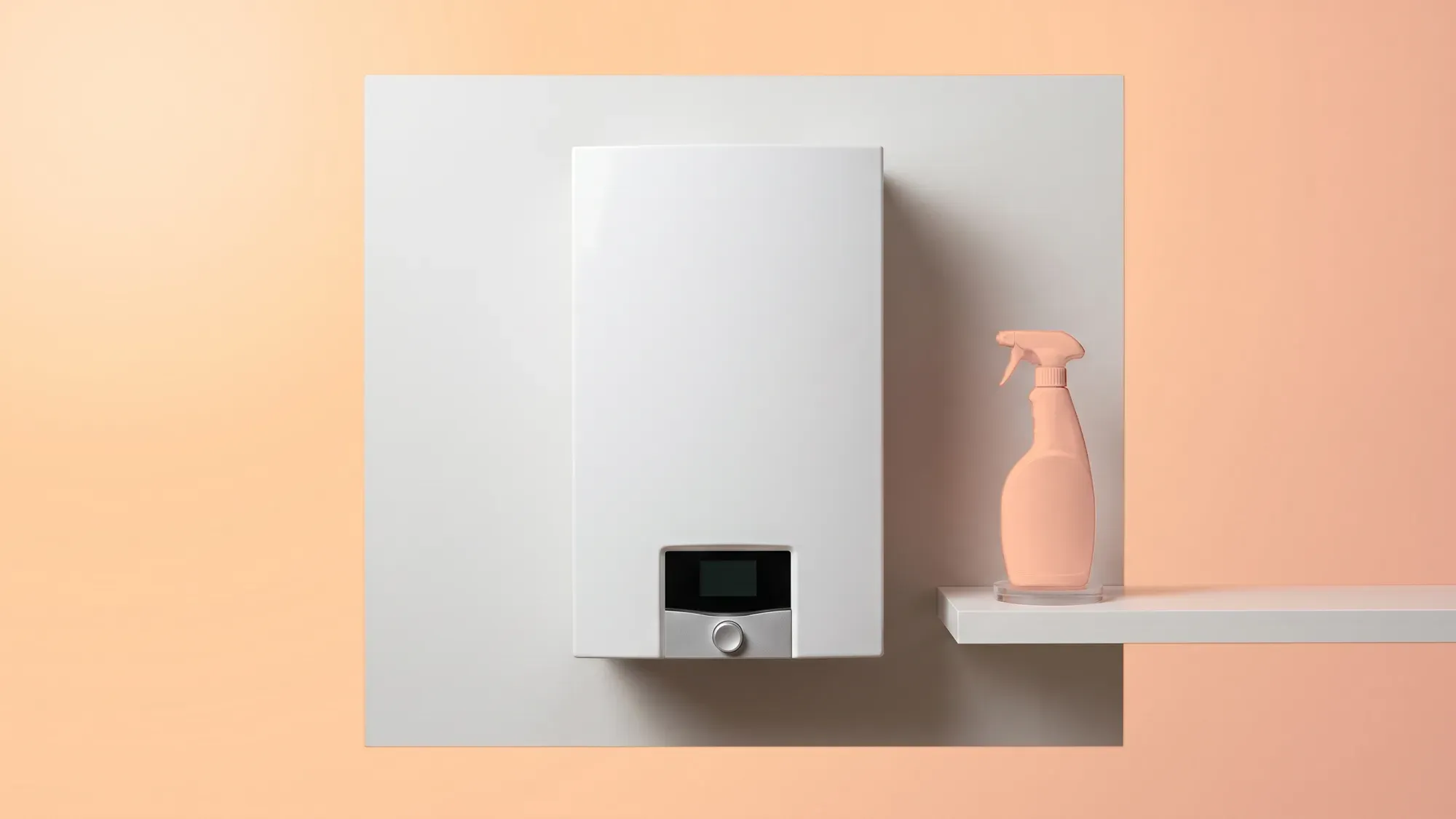
A non-functional boiler can quickly turn a comfortable home into a cold, uncomfortable space, especially during colder months. If your boiler has stopped working, don't panic. This guide will walk you through common issues, safe troubleshooting steps, and help you determine when it is time to call a professional.
Initial checks when your boiler stops working
Before calling an engineer, a few basic checks can often resolve the problem or help you provide crucial information to a professional.
Is there power to the boiler?
Start with the obvious: check if your boiler is actually switched on at the mains. Look for any tripped switches on your fuse box or consumer unit. Sometimes, a power cut or a simple flick of a switch can be the culprit.
Check your gas supply
Ensure your gas supply is active. If you have a prepayment meter, check the balance to make sure you have not run out of credit. You can also test other gas appliances in your home, such as a gas hob, to confirm there is not a wider gas supply issue. Make sure the gas valve to your boiler is fully open.
Thermostat settings and controls
Verify that your thermostat is set to the correct temperature and that the heating programme or timer is active. An incorrect setting or a flat battery in a wireless thermostat can easily prevent your boiler from firing up.
Common boiler problems and solutions
Once you have checked the basics, delve into common boiler problems that you might be able to resolve yourself.
Low boiler pressure
Most domestic boilers operate optimally with a pressure between 1 and 1.5 bar. If the pressure gauge on your boiler reads below 1 bar, it may be too low. You can usually repressurise your boiler yourself by following the manufacturer's instructions, typically involving a filling loop.
Frozen condensate pipe
A frozen condensate pipe is a common cause of boiler breakdown, especially in colder weather. This pipe carries waste water from your boiler. If it freezes, it can cause a blockage. You can often safely thaw a frozen condensate pipe using warm water, but never boiling water. Locate the pipe (usually a plastic pipe leading outside from your boiler) and gently pour warm water over the frozen section until it thaws.
Pilot light issues
Older boilers often have a pilot light that needs to be lit for the boiler to function. If your boiler isn't working and you have an older model, check if the pilot light has gone out. Consult your boiler's manual for instructions on how to safely relight it.
Boiler error codes
Modern boilers display error codes when a fault occurs. Make a note of any code displayed, as this can provide valuable information for troubleshooting or for an engineer. Your boiler manual will usually explain what each code means and suggest initial steps.
No hot water but heating works
If you have heating but no hot water, or vice versa, it often points to an issue with your diverter valve. This valve controls the flow of hot water to either your taps or your radiators. Sometimes, it can get stuck or fail, requiring professional attention.
How to reset your boiler
A boiler reset can often clear temporary faults and get your system working again.
Locating the reset button
Most boilers have a clearly marked reset button, often labelled 'reset' or with a flame symbol. Consult your boiler's manual for its exact location and the recommended reset procedure.
When to reset and when to avoid it
Only attempt a boiler reset after you have checked for obvious issues like low pressure or a frozen condensate pipe. If you smell gas, suspect a leak, or hear unusual noises, do not attempt a reset. Instead, turn off your boiler and immediately call the National Gas Emergency Service on 0800 111 999. Repeatedly resetting a boiler without addressing the underlying fault can cause further damage.
When to call a gas safe registered engineer
While some boiler problems can be resolved with simple troubleshooting, many require the expertise of a Gas Safe registered engineer. Only Gas Safe registered engineers are legally permitted to work on gas boilers in the UK.
Persistent issues after troubleshooting
If you have tried the basic checks and troubleshooting steps, but your boiler isn't working, it is time to call a professional. Fuse Energy offers 24/7 human customer support for when self-diagnosis isn't enough, providing immediate assistance and guidance on next steps.
Unusual noises or smells
Any unusual noises like banging, gurgling, or whistling, or strange smells (especially gas) from your boiler, are serious warning signs. Turn off your boiler and immediately call the National Gas Emergency Service on 0800 111 999.
Water leaks
A water leak from your boiler can indicate a serious internal fault. Turn off your boiler and contact a professional to prevent further damage to your property and the boiler itself.
No power or gas supply to the boiler
If you have confirmed that there is power to other appliances and a gas supply to other parts of your home, but your boiler still has no power or gas, it is a job for a Gas Safe registered engineer.
Considering a new boiler installation
Sometimes, a boiler problem indicates that it is nearing the end of its life, or that repairs are no longer cost-effective.
Signs it's time for a replacement
Frequent breakdowns, increasing repair costs, a noticeable drop in efficiency, or your boiler being over 10-15 years old are all signs that it might be time to consider a replacement. A new, efficient boiler can significantly reduce your energy bills and improve your home's comfort.
Fuse Energy's Vaillant ecotec Plus installation service
When a boiler needs replacing, Fuse offers installation of the efficient Vaillant ecoTEC Plus, integrating modern solutions into the home energy system. Fuse Energy only installs the Vaillant ecoTEC Plus gas boiler and does not supply, install, or service any other make or model.
For the avoidance of doubt, this article is provided for informational purposes only and is not intended to constitute legal or financial advice. The author and/or Fuse Energy shall not be responsible for any losses arising out of any reliance on the information contained herein.