Boiler maintenance for safety and efficiency
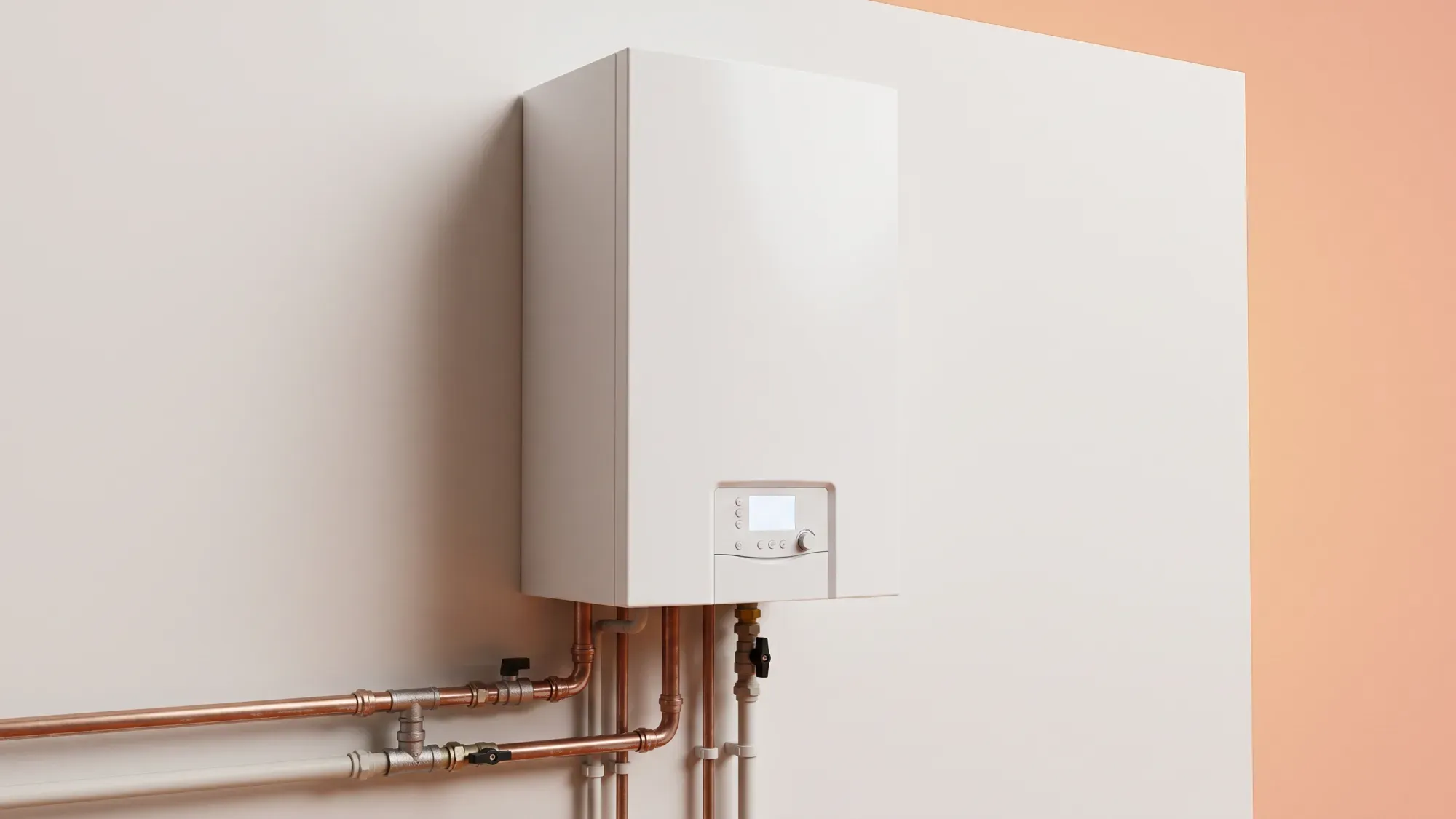
Boiler maintenance is not just about keeping your home warm; it is about ensuring safety, efficiency, and the longevity of your heating system. Neglecting your boiler can lead to dangerous carbon monoxide leaks, inefficient operation that drives up energy bills, and unexpected breakdowns. Regular care, including annual professional servicing and simple DIY checks, is crucial for every homeowner and tenant.
Why regular boiler maintenance is crucial
Regular boiler maintenance is essential for several compelling reasons, extending beyond just keeping your home comfortable. It directly impacts your safety, finances, and the reliability of your heating system.
Ensuring safety and preventing hazards
The most critical reason for annual boiler maintenance is safety. A faulty boiler can pose serious risks, including dangerous carbon monoxide leaks. Carbon monoxide is a silent killer, as it is a colourless, odourless gas that can cause severe illness or even death if undetected. During a service, a Gas Safe registered engineer will meticulously check for leaks and other issues, providing peace of mind that your appliance is operating safely.
Maximising energy efficiency and reducing bills
An efficiently running boiler uses less fuel to generate the same amount of heat, directly translating to lower energy bills. Modern condensing boilers, for instance, can operate at around 90-94% efficiency, significantly outperforming older non-condensing models that might only reach 60-70% efficiency. Regular servicing ensures your boiler maintains this optimal efficiency, preventing wasted energy and reducing your carbon footprint. An engineer can also offer advice on running your boiler more efficiently, such as adjusting flow temperatures. For more ways to save, explore our energy-saving tips.
Extending boiler lifespan and preventing breakdowns
Boilers contain numerous mechanical and electronic components that can deteriorate over time. An annual service provides an opportunity to identify signs of wear, leaks, corrosion, or developing problems before they escalate into costly breakdowns. This proactive approach helps to extend the overall lifespan of your boiler, avoiding the inconvenience and expense of premature replacement.
Maintaining your boiler warranty
Many boiler manufacturers' warranties are contingent on annual servicing by a Gas Safe registered engineer. Failing to arrange a yearly service could invalidate your warranty, leaving you responsible for the full cost of repairs if a fault develops. This is a crucial detail, especially for newer boilers, to ensure you remain protected.
What happens during a professional boiler service?
A professional boiler service is a thorough inspection and maintenance routine, akin to an MOT for your car, designed to ensure your heating system is safe and efficient.
The role of a gas safe registered engineer
In the UK, any work on gas boilers must be carried out by an engineer registered with the Gas Safe Register. This is the official list of qualified gas engineers, legally required for anyone working on gas appliances, pipework, or flues. Gas Safe registered engineers undergo rigorous training, are regularly assessed, and carry a valid Gas Safe ID card. Using an unregistered individual is illegal and can lead to dangerous workmanship, invalid insurance, and legal penalties.
What is the Gas Safe Register?
The Gas Safe Register is the official registration body for gas businesses and engineers across the UK, Isle of Man, and Guernsey. It replaced CORGI in 2009 and ensures that all registered engineers are qualified and competent to work safely on gas appliances, protecting the public from unsafe gas work.
Key checks and procedures
During a boiler service, a Gas Safe registered engineer will perform a comprehensive series of checks and tasks:
- Visual inspection: The engineer will inspect the boiler and its controls, looking for any signs of corrosion, leaks, or damage.
- Internal component check: The boiler casing will be opened to check internal components such as the burner, heat exchanger, and ignition devices. These parts are often cleaned to maintain efficiency.
- Flue and ventilation: The flue terminal will be inspected for obstructions and proper ventilation.
- Gas pressure and flow: Checks will be made on the gas pressure and flow settings to ensure they are correct according to manufacturer specifications.
- Safety devices: All safety controls and devices will be tested to ensure they are functioning correctly.
- Condensate trap: The condensate trap and drains are inspected and often cleaned.
- Expansion vessel: For some boilers, the expansion vessel will be recharged and its valve lubricated.
What to expect from the service
A boiler service typically takes between 40 minutes to an hour, depending on the boiler's age, type, and condition. At the end of the service, the engineer will provide a service report or update the boiler's service record, detailing the work carried out and any advice for the homeowner. This record is vital for maintaining your warranty.
Simple boiler checks you can do yourself
While professional servicing is mandatory for gas boilers, there are several simple and safe checks you can perform between annual services to help maintain your boiler's health and efficiency. These DIY tasks do not involve opening the boiler casing or touching internal gas parts, which should only be done by a Gas Safe registered engineer.
Monitoring boiler pressure
Your boiler's pressure gauge should typically read between 1 and 1.5 bar when the system is cold. If the pressure is too low, your radiators may not heat effectively, and if it is too high, it can strain the system. You can usually top up the pressure yourself using the filling loop, following your boiler's manual. If pressure drops persistently, contact a professional.
Checking for leaks and drips
Regularly inspect your boiler and the surrounding pipework for any visible signs of leaks, drips, or corrosion. Damp patches, puddles, or rust can indicate a problem that needs professional attention. Addressing these issues early can prevent more significant damage and costly repairs.
Bleeding radiators
Over time, air can become trapped in your radiators, causing cold spots and reducing heating efficiency. If you hear gurgling noises or notice that the top of a radiator is cold while the bottom is warm, it likely needs bleeding. Bleeding radiators releases this trapped air, allowing hot water to circulate properly and improving your system's efficiency.
Understanding error codes
Modern boilers often feature a digital display that shows error codes when an issue arises. Familiarise yourself with your boiler's manual to understand what these codes mean. While you should not attempt to fix complex issues yourself, knowing the error code can help you describe the problem accurately to an engineer, speeding up diagnosis and repair.
Choosing the right engineer for your boiler service
Selecting the right engineer is paramount for safe and effective boiler maintenance.
The importance of gas safe registration
As previously highlighted, it is a legal requirement for anyone working on gas appliances in the UK to be registered with the Gas Safe Register. This ensures they have the necessary qualifications and competence to carry out the work safely. Always ask to see an engineer's Gas Safe ID card, which details their qualifications and the types of gas work they are certified to perform. You can also verify their registration on the Gas Safe Register website.
Finding a reputable local engineer
When searching for an engineer, consider recommendations from friends, family, or online reviews. Look for companies that clearly display their Gas Safe registration. A reputable engineer will be transparent about their pricing and the work involved in a service.
Questions to ask your boiler engineer
Before hiring an engineer, do not hesitate to ask:
- "Are you Gas Safe registered, and can I see your ID card?"
- "What does your boiler service include?" (Compare this with the comprehensive checks outlined above).
- "How long will the service take?"
- "What are your charges, and are there any additional costs I should be aware of?"
- "Will I receive a service report or have my boiler manual updated?"
Boiler maintenance for modern heating systems
Modern heating systems, particularly high-efficiency boilers, offer significant advantages but also benefit from specific maintenance considerations to ensure they continue to perform optimally.
The benefits of high-efficiency boilers
High-efficiency boilers are designed to maximise heat extraction from fuel, leading to reduced energy consumption and lower utility bills. They typically convert over 90% of fuel into usable heat, minimising wasted energy. This increased efficiency also results in a lower carbon footprint, aligning with environmental goals. Beyond savings, these boilers often provide more consistent heating, enhanced comfort, and advanced control features through smart thermostats. They are also generally built with durable materials, potentially leading to lower maintenance costs and longer lifespans. To understand more about reducing your environmental impact, read our guide on how to reduce your carbon footprint.
Specific needs of advanced boilers like Vaillant ecotec Plus
Modern condensing boilers, such as the Vaillant ecoTEC Plus, are highly efficient, but their advanced design means specific components require attention during servicing. For example, the condensate trap needs regular cleaning to prevent blockages, which can cause the boiler to stop working. The expansion vessel also needs annual recharging to prevent pressure drops. While the Vaillant ecoTEC Plus is designed for reliability, annual inspection and maintenance are recommended to ensure its continued safe and efficient operation. Manufacturers' instructions, such as those for the Vaillant ecoTEC Plus, often detail specific maintenance requirements and fault codes.
How Fuse Energy supports modern boiler owners
Fuse Energy is committed to rebuilding the energy system with modern, efficient solutions. We exclusively install Vaillant ecoTEC Plus gas boilers, aligning with our vision for a future with abundant, reliable energy. Maintaining these modern, high-efficiency boilers is crucial, and our approach complements the reliability gained from well-maintained heating systems. While Fuse Energy exclusively installs Vaillant ecoTEC Plus boilers, we do not service other gas boiler brands or electric boilers. Our transparent app provides customers with control over their energy, complementing the reliability gained from well-maintained heating systems. If you are considering switching energy suppliers, you can learn more about the process in our guide on how to switch energy supplier.
Your annual boiler maintenance checklist
To ensure your boiler remains safe, efficient, and reliable, here is a checklist to guide you through the annual maintenance process.
Before the engineer arrives
- Locate boiler manual and service history: Have these readily available for the engineer.
- Clear the area: Ensure the boiler is easily accessible, and the area around it is clear of obstructions.
- Note any issues: Make a list of any unusual noises, smells, error codes, or performance issues you have noticed.
- Check gas safe registration: Verify your engineer's Gas Safe registration online or ask to see their ID card upon arrival.
During the service
- Ask questions: Do not hesitate to ask the engineer about the checks they are performing and any findings.
- Observe (from a safe distance): If comfortable, observe the process to better understand your boiler.
- Discuss efficiency: Ask for advice on how to run your boiler more efficiently.
After the service
- Review service report: Ensure you receive a detailed service report or that your boiler manual is updated.
- Understand recommendations: Clarify any recommendations or repairs suggested by the engineer.
- Schedule next service: Book your next annual service in advance, ideally during late spring or summer when engineers have greater availability.
- Keep records: Store your service records safely, as they are important for warranty purposes and future reference.
By following this guide, you can ensure your boiler continues to provide safe, efficient, and reliable heating for your home for years to come.
Disclaimer
For the avoidance of doubt, this article is provided for informational purposes only and is not intended to constitute legal or financial advice. The author and/or Fuse Energy shall not be responsible for any losses arising out of any reliance on the information contained herein.