Boiler cover explained
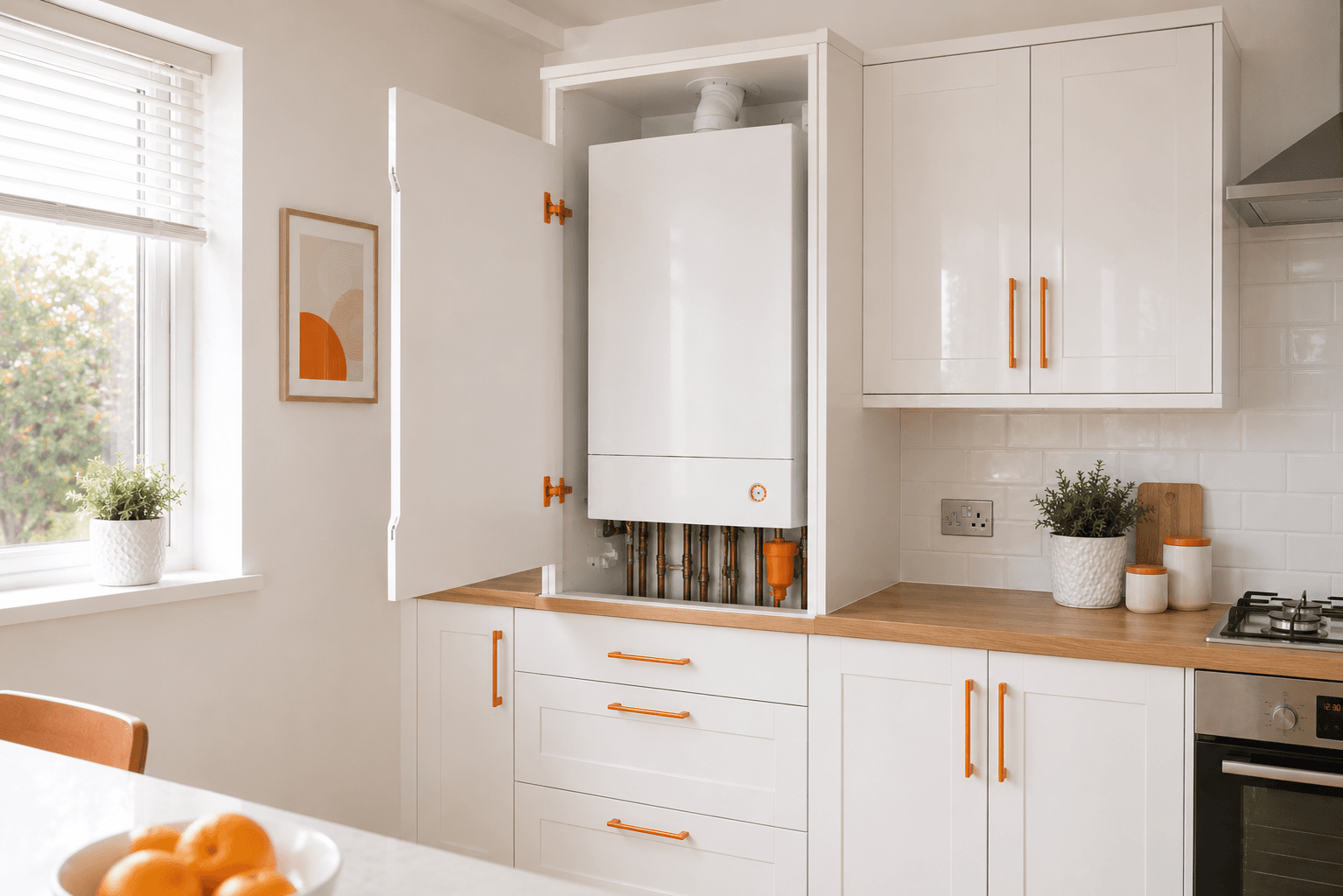
Boiler breakdowns are a homeowner's nightmare, bringing unexpected costs and a sudden lack of heating and hot water. Boiler cover offers a way to manage these risks, providing financial protection and peace of mind.
Understanding boiler cover
Boiler cover is an insurance product designed to protect homeowners from the unexpected costs and disruption of heating system breakdowns. It typically covers the expense of parts, labour, and engineer call-out charges when your boiler or central heating system fails.
The primary purpose of boiler cover is to offer peace of mind, ensuring that if your heating system breaks down, you have a plan in place for repairs without facing a large, sudden bill. Policies can vary significantly, often including exclusions, excess fees, and limits on claim values, so it is important to understand the specifics of any plan you consider.
What boiler cover typically includes
Most boiler cover plans include an annual boiler service, which is a key benefit, helping to maintain efficiency and prevent breakdowns. Beyond servicing, policies generally cover breakdown repairs, including parts and labour, and provide access to a 24/7 helpline. Emergency call-out response times can vary, with some premium plans offering same-day service for total breakdowns.
The purpose of boiler cover
The core purpose of boiler cover is to shield you from the financial shock of a major boiler repair. Boiler repair costs usually range from around £120-£750, with most homeowners spending about £300 on average for a typical repair, including parts. A full boiler replacement, including installation, can cost between £1,800 and £4,500 for a straightforward swap, or up to £15,000 for more complex installations and extras. Boiler cover ensures that when a problem arises, you have access to qualified engineers without the immediate worry of finding and paying for a specialist out of pocket.
Benefits of having boiler cover
Boiler cover provides significant advantages, particularly for those who want predictable costs and quick resolution to heating issues.
Peace of mind and convenience
Knowing that a boiler breakdown will not leave you scrambling to find an engineer or facing a hefty, unexpected bill brings considerable peace of mind. Policies often include a 24/7 helpline, ensuring support is available whenever an issue occurs.
Financial protection against unexpected costs
Boiler cover acts as a financial safety net. A typical boiler repair can cost between £100 and £500, while a full replacement might be £1,800 to £4,500. With boiler cover, these costs are either fully covered or significantly reduced, depending on your policy's terms and any excess fees.
How much does boiler cover cost?
Boiler cover in the UK typically costs between £8 and £30 per month, or £100 to £300 annually, depending on the level of cover and the provider. This usually includes an annual service, breakdown repairs, parts, and labour, helping to spread the cost of maintenance and potential repairs over time.
Types of boiler cover available
Boiler cover is not a one-size-fits-all product; various levels of protection are available to suit different needs and budgets.
Boiler only cover
This is the most basic level of cover, focusing solely on the boiler unit and its immediate controls. It typically includes an annual service and covers repairs for the boiler itself and the flue. This option is often suitable for newer boilers still under manufacturer warranty, where wider system issues are less likely.
Boiler and central heating cover
A more comprehensive option, this extends protection beyond just the boiler to include the wider central heating system. This means radiators, pipework, hot water cylinders, and controls like thermostats and programmers are also covered. This level is often recommended for older systems or larger homes where central heating components might be more prone to issues.
Home emergency cover
This is the broadest type of cover, bundling boiler and central heating protection with other home emergencies. It can include plumbing, drainage, electrical issues, and even roof problems. While offering extensive protection, these policies are generally more expensive.
Key considerations when choosing a policy
Before committing to a boiler cover policy, it is crucial to examine the fine print and understand how it aligns with your specific circumstances.
Exclusions and limitations
Policies often have specific exclusions, such as age limits for boilers (some will not cover boilers over a certain age) or caps on claim values, which might be £250 to £1,500 per claim or per year. Pre-existing faults are also typically excluded, and some policies may have a waiting period (e.g., 14-30 days) before you can make a claim. It is also common for policies to require that your boiler has been regularly maintained.
Excess fees and call-out limits
Many policies include an excess fee, which is the amount you pay towards each claim. This can range from being excess-free to around £100 per call-out. Some policies also limit the number of call-outs you can make within a 12-month period, or only cover the first few hours of labour costs. A cheaper monthly premium might come with higher excess fees or stricter limits, potentially costing you more in the long run if you have multiple issues.
Age of your boiler and existing warranties
The average lifespan of a gas boiler in the UK is typically 10 to 15 years, though some can last longer with good maintenance. If your boiler is newer and still under a manufacturer's warranty, a basic annual service might be sufficient, as the warranty would cover major component failures. For boilers over 5-7 years old or out of warranty, cover becomes more financially sensible.
Comparing providers and policy terms
Boiler cover policies are regulated by the Financial Conduct Authority (FCA) as a form of insurance, so consumer rights apply. It is essential to compare policies from various providers, paying close attention to the terms and conditions, exclusions, excess fees, and call-out limits. Comparison sites can be useful, but always read the full policy document before deciding.
Boiler cover vs home insurance
It is a common misconception that standard home insurance policies automatically cover boiler breakdowns. Understanding the differences can prevent duplicate cover or unexpected gaps in protection.
How they differ
Boiler cover is a specialised insurance product focused specifically on your boiler and central heating system. Home insurance, on the other hand, is much broader, covering damage to your property and belongings from events like fire, theft, or floods. While some home insurance policies might offer an optional "home emergency" add-on that includes boiler breakdown, it is not a standard feature.
Checking your existing home insurance policy
Before purchasing separate boiler cover, review your current home insurance policy. Look for any clauses related to home emergency or boiler breakdown cover. This can help you avoid paying for protection you already have, or identify any gaps that a dedicated boiler cover policy could fill.
When to consider a new boiler installation
While boiler cover provides a reactive solution to breakdowns, a proactive approach involves considering a new boiler installation, especially as your current one ages.
Signs your boiler needs replacing
Several indicators suggest your boiler might be nearing the end of its life. These include frequent breakdowns and repair calls, radiators taking a long time to warm up, slow or insufficient hot water, strange noises coming from the unit, or a persistent loss of pressure. High heating bills can also be a sign that your boiler is no longer operating efficiently.
The benefits of a modern, efficient boiler
Modern condensing boilers are significantly more energy-efficient than older models, often achieving over 90% efficiency. This means they convert more of the fuel they burn into heat for your home, reducing wasted energy and potentially lowering your energy bills. Older boilers, particularly those installed before 2005, can be less than 70% efficient. A new, efficient boiler also offers greater reliability, reducing the likelihood of unexpected breakdowns and the need for frequent repairs. For more ways to save, explore our energy efficiency tips.
Fuse Energy's Vaillant Ecotec Plus installations
Fuse Energy does not offer boiler cover or boiler insurance policies. Instead, Fuse provides reliable, high-quality boiler installations as a proactive solution to home heating needs. Investing in a modern, efficient boiler can significantly reduce the likelihood of unexpected breakdowns, offering homeowners greater control and peace of mind.
Fuse Energy offers Vaillant Ecotec Plus gas boiler installations. These modern boilers align with Fuse's vision of efficient energy solutions, potentially reducing long-term maintenance concerns and energy consumption. The Boiler Upgrade Scheme (BUS) in the UK provides grants for low-carbon heating systems like heat pumps, but it does not apply to gas boiler installations. You can learn more about the scheme in our article on the BUS.
By choosing a new, efficient Vaillant Ecotec Plus boiler from Fuse, you can benefit from improved reliability and energy efficiency, helping to manage your heating costs and reduce the need for reactive repair cover.
Disclaimer
For the avoidance of doubt, this article is provided for informational purposes only and is not intended to constitute legal or financial advice. The author and/or Fuse Energy shall not be responsible for any losses arising out of any reliance on the information contained herein.