Best electric car for your home energy
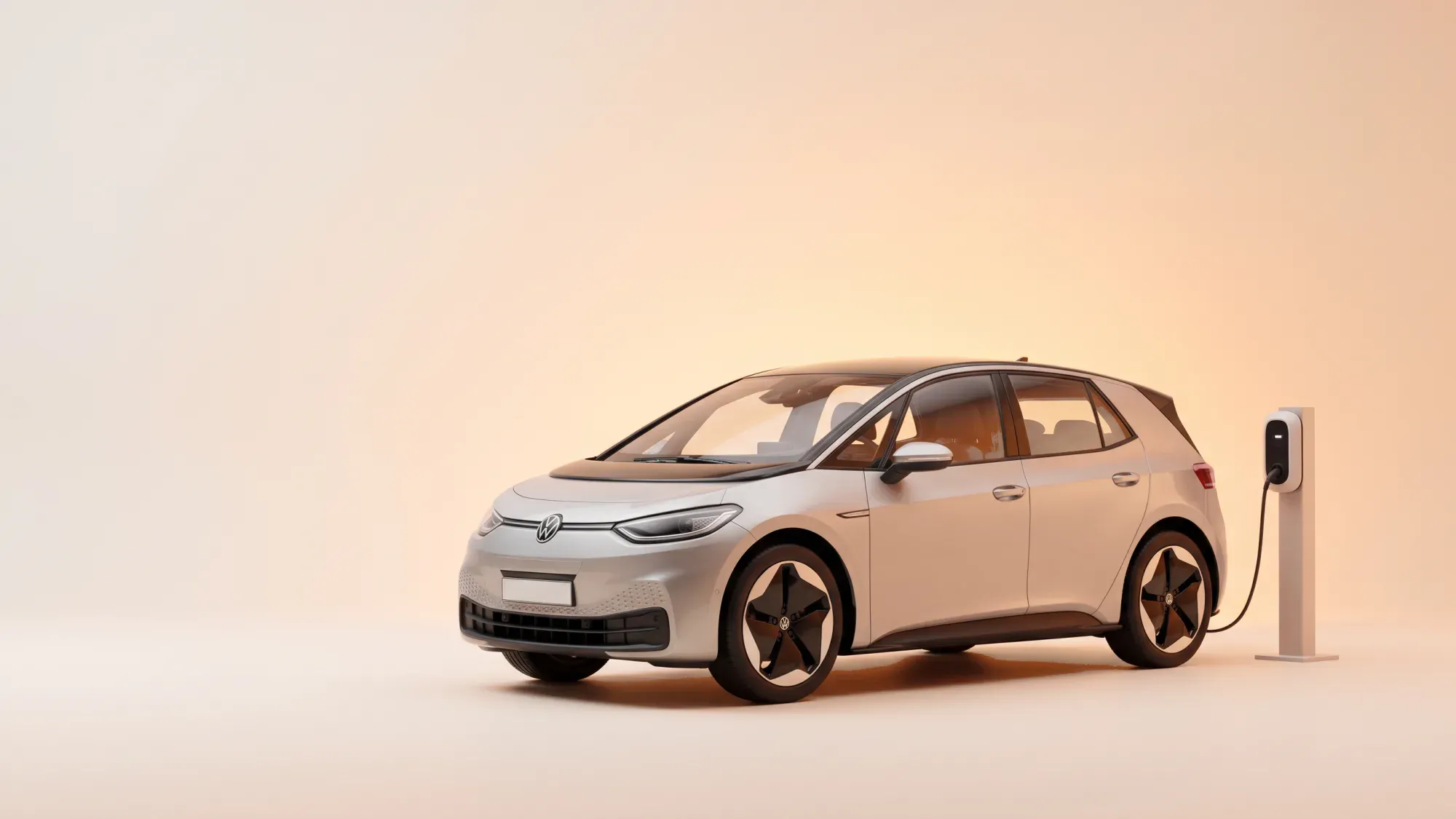
Choosing an electric car involves more than just picking a model; it means embracing a new way of powering your journeys. For UK drivers, the decision extends beyond vehicle specifications to how seamlessly and cost-effectively an EV integrates into their home energy system. This guide helps you navigate the options, focusing on energy management to unlock optimal ownership.
Thinking about Best electric car for your home energy? With Fuse Energy, you get clear pricing, real-time usage data, 24/7 human customer support, and a modern energy experience designed around you. Signing up takes just a few minutes, so you can take control of your bills from day one. Click here to switch to Fuse Energy today and start saving.
Enter your address to get a quote and see how much you could save
Introduction to electric car ownership
Electric vehicles (EVs) are rapidly becoming a common sight on UK roads, driven by environmental benefits and lower running costs. However, the true value of EV ownership is realised when you consider the broader energy ecosystem.
Beyond the car: why energy management matters
The shift to an electric car is also a shift in how you consume and manage energy. While range and charging speed are important, optimising your home charging infrastructure and energy tariffs is crucial for long-term savings and convenience. Failing to integrate your EV with smart home energy solutions can lead to higher running costs than necessary. It is about understanding that your car is now part of your home's energy demand, and managing that demand smartly can significantly enhance your experience.
The UK's growing electric vehicle market
The UK's electric vehicle market continues to expand, offering a diverse range of models from compact city cars to spacious SUVs and high-performance vehicles. This growth means more choice for consumers, but also a greater need to understand how to make the most of an EV from an energy perspective.
Key factors when choosing your electric car
When considering an electric car, look beyond the showroom appeal to the practicalities of daily energy use.
Understanding range and charging speed
An EV's range, typically measured in miles, indicates how far it can travel on a single charge. While a longer range offers flexibility, many daily commutes are well within the capabilities of most modern EVs. Charging speed, on the other hand, dictates how quickly you can replenish the battery, both at home and at public charging points. Some of the fastest-charging EVs in the UK, such as the Lotus Eletre and Porsche Taycan, can accept ultra-rapid DC charging speeds, often utilising 800V architecture to significantly reduce charging times on compatible public chargers. However, the practical benefit of ultra-rapid charging depends on the availability of high-power public chargers, which are still less common than slower options.
Evaluating purchase price and running costs
The initial purchase price of an EV can vary widely, but it is the running costs that often make electric cars an attractive long-term investment. Charging at home, especially during off-peak hours, is significantly cheaper than using public rapid chargers, which can cost around 76p per kWh on average, with prices ranging from 57p to 89p per kWh depending on the network. For a Direct Debit household on the Ofgem price-cap default tariff (1 July to 30 September 2026), electricity costs 26.11p per kWh.
Practicality and lifestyle FIT
Consider your typical driving habits. Do you primarily drive in urban areas, or do you frequently undertake long journeys? This will influence the ideal battery size and charging speed for your needs. Smaller batteries often suffice for urban driving, while mid-sized offer a good balance, and larger batteries are better for extended range.
What is the average UK home electricity consumption?
The average UK home uses around 2,500 kWh of electricity per year. This figure, provided by Ofgem, helps in understanding your household's energy demand and how an electric vehicle might impact it, especially when considering home charging.
Optimising your EV charging and home energy
The key to cost-effective EV ownership lies in smart charging and integrating your vehicle with your home's energy ecosystem.
Home EV charger installation and OZEV grants
Installing a dedicated home EV charger is often the most convenient and cost-effective way to power your electric car. Fuse Energy offers the Easee One EV charger installed for £899. This charger has a 32A current rating and a 7.4 kW power output, suitable for efficient home charging.
The Office for Zero Emission Vehicles (OZEV) offers grants that can help reduce the cost of installation. For example, the EV Chargepoint Grant for renters and flat owners provides up to £500 towards installing a chargepoint at the property. Similarly, the EV Chargepoint Grant for households with on-street parking offers up to £500 for those installing a cross-pavement solution. It is important to note that these grants are not universally available for all homeowners; owner-occupiers in a house with private off-street parking are not eligible for any current domestic chargepoint grant. Customers apply for these grants themselves via GOV.UK; the installer's role begins after the application is approved.
Smart charging and energy tariffs
Smart charging allows you to schedule your EV to charge when electricity is cheapest, typically during off-peak hours overnight. Accessing dual-rate energy tariffs depends on your meter's configuration, which may or may not require a smart meter installation to access. By optimising your charging schedule, you can significantly reduce your running costs. For example, if your electricity rate is 26.11p per kWh, charging during cheaper off-peak windows can lead to substantial savings over time. You can learn more about how the energy price cap affects these rates.
Integrating with solar and home batteries
For even greater savings and energy independence, consider integrating your EV charging with home energy generation systems like solar panels and battery storage. While a plug-in battery is not covered by current legislation (SI 2026/848 applies to compliant standalone plug-in solar only), the concept of storing energy for later use is relevant. Solar panels can generate clean electricity during the day, which can then be used to charge your EV or stored in a home battery for use when the sun is not shining. This approach helps move towards greater energy independence, allowing you to use more energy smartly without worrying about high costs.
Top electric cars for UK drivers: an energy perspective
When selecting an EV, consider its energy characteristics in relation to your needs.
Models for urban commuters
For city driving, efficiency and a compact size are often priorities. Models like the Fiat 500e, Dacia Spring, and Peugeot e-208 are known for their efficiency, often achieving high miles per kilowatt-hour (mi/kWh) figures, making them economical to run. Small electric cars like the Renault 5 and MG4 Urban also offer practical solutions for urban environments. These vehicles typically feature smaller battery packs, which are quicker to charge and perfectly adequate for shorter, daily commutes.
Family-friendly Electric SUVs
Electric SUVs combine practicality with the benefits of EV ownership. The Tesla Model Y remains a popular choice due to its efficiency and access to a widespread charging network. Other strong contenders include the Hyundai IONIQ 5 and Kia EV6, both offering impressive range and ultra-fast 800V charging capabilities, making them suitable for longer family journeys. The Volvo EX30 and Skoda Enyaq also provide good options for families, balancing space, range, and charging performance.
Performance and luxury EVs
For those seeking exhilarating performance and premium features, the electric market offers compelling options. Cars like the Porsche Taycan and Audi Q6 e-tron stand out for their very rapid charging speeds, thanks to their 800V architecture. The Mercedes-Benz EQS offers one of the longest ranges available in the UK, making it ideal for extensive travel. These vehicles often come with larger battery capacities to support both performance and extended range.
Making the switch: Fuse Energy's role in your EV journey
Fuse Energy is committed to making electric vehicle ownership frictionless and enjoyable by focusing on smart energy management.
Seamless EV charger installation
Fuse Energy offers and installs the Easee One EV charger, facilitating convenient and efficient home charging. This operational evidence demonstrates a direct commitment to supporting your EV journey from the outset.
Smart app for energy optimisation
Our transparent app helps electric vehicle owners monitor their energy usage and charge at the cheapest times. This integration allows you to leverage dual-rate tariffs and make informed decisions about your home energy consumption, ensuring you get the most out of your EV without worrying about energy costs. For more information on optimising your charging, read our guide on EV charging at home.
Dedicated 24/7 customer support
Managing your home energy and electric vehicle charging needs is made easier with Fuse Energy's 24/7 human customer support. This continuous assistance ensures you always have help available, providing peace of mind as you embrace electric driving.
Conclusion
Choosing the best electric car for your needs involves a holistic approach that considers not just the vehicle itself, but also how it integrates into your home energy system. By focusing on smart charging solutions, understanding available grants, and optimising your energy tariffs, you can unlock significant savings and enjoy a truly convenient EV ownership experience.
Fuse Energy supports this journey by providing smart home charging solutions, app integration for energy optimisation, and dedicated customer support, empowering you to drive more without the worry of energy costs. Ready to take control of your home energy and EV charging? Click here to switch to Fuse Energy today.
Disclaimer
For the avoidance of doubt, this article is provided for informational purposes only and is not intended to constitute legal or financial advice. The author and/or Fuse Energy shall not be responsible for any losses arising out of any reliance on the information contained herein.