Home battery storage explained
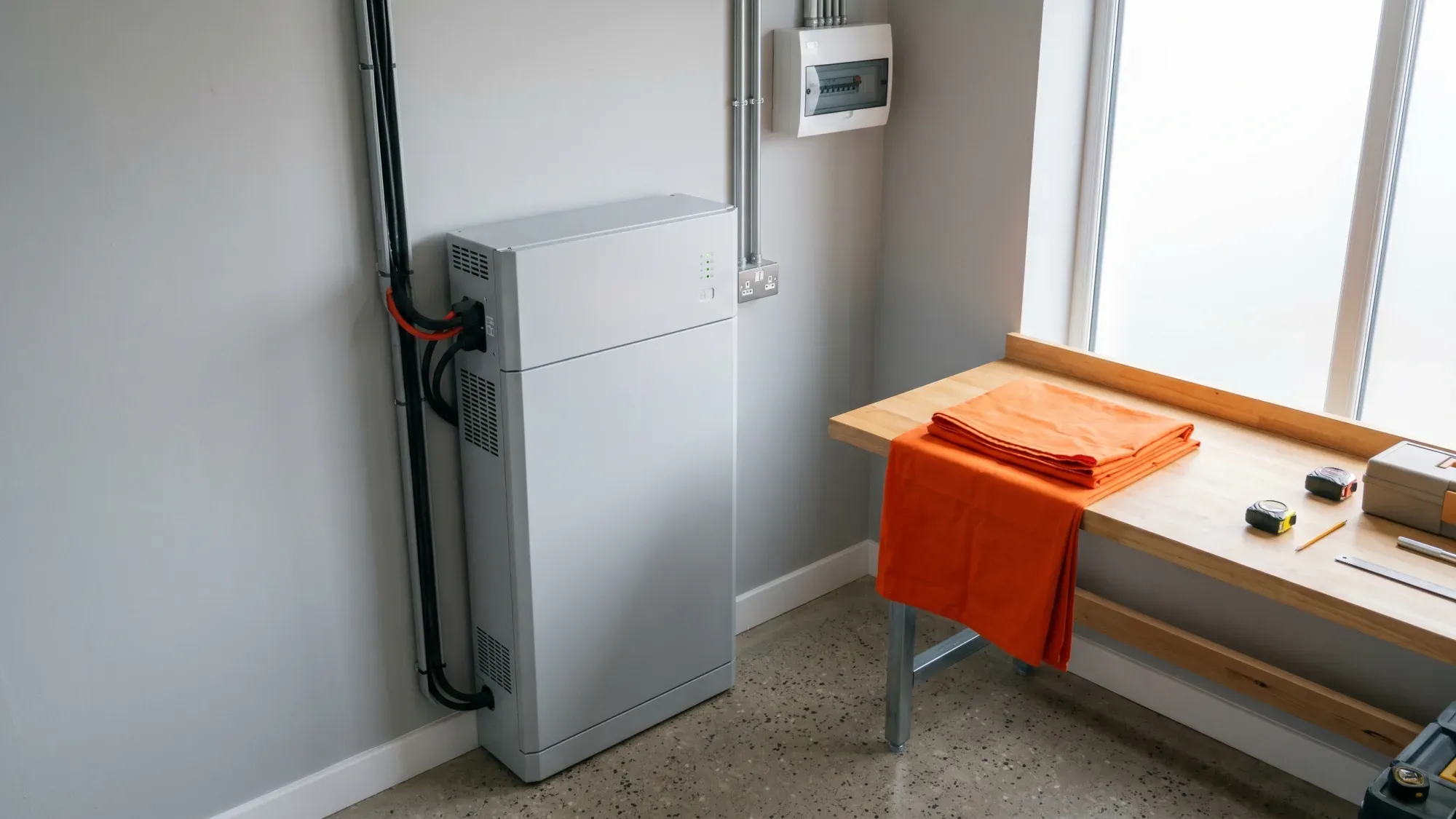
Home battery storage allows homeowners to store electricity for later use, offering greater control over energy consumption and reducing reliance on the grid. This technology helps to lower energy bills and provides a buffer against power outages, making homes more resilient. Even without solar panels, a home battery system can be a smart investment, enabling homeowners to take advantage of variable electricity tariffs by buying power when it is cheap and using it when prices are high.
What is home battery storage?
Understanding the basics
Home battery storage systems are essentially large rechargeable batteries designed to be installed in your home. They connect to your home's electrical system, allowing you to capture and store electricity generated from renewable sources like solar panels, or directly from the National Grid. This stored energy can then be used at a later time, reducing your dependence on grid electricity during peak demand or when prices are higher.
How battery storage works
A home battery system typically consists of battery cells, an inverter, and a battery management system (BMS). The inverter converts the direct current (DC) electricity stored in the battery into alternating current (AC) for household use, and vice-versa when charging. The BMS monitors and controls the battery's performance, ensuring safety and optimising its lifespan. When your home generates more electricity than it needs (e.g., from solar panels on a sunny day) or when grid electricity is inexpensive, the battery charges. When generation is low or grid prices are high, the battery discharges, supplying your home with stored energy.
What is the typical capacity of a home battery system in the UK?
Home battery storage systems in the UK typically range from 3 kWh to over 15 kWh in capacity, with many average homes opting for systems in the 6 kWh to 10 kWh range. This allows homeowners to select a system that best matches their household's energy consumption patterns and their goals for energy independence and cost savings.
Benefits of home battery storage
Achieving energy independence
Installing a home battery system significantly boosts your energy independence. By storing your own electricity, you become less vulnerable to grid outages and fluctuations in energy supply. This resilience provides peace of mind, knowing you have a reliable power source for essential appliances, even when the National Grid faces disruptions.
Reducing energy bills
One of the primary motivations for home battery storage is the potential for substantial savings on energy bills. According to Ofgem, the average UK home uses around 2,500 kWh of electricity per year1. By storing cheaper off-peak electricity or self-generated solar power, you can avoid purchasing expensive electricity during peak times. This strategy, known as energy arbitrage, can lead to noticeable reductions in your monthly outgoings, with typical annual savings ranging from £200 to £690.
Leveraging smart tariffs
The UK energy market features variable tariffs that offer different electricity prices throughout the day. Home battery storage, especially when paired with smart energy management, allows you to capitalise on these tariffs. You can program your battery to charge when electricity is cheapest (often overnight) and discharge when it is most expensive, maximising your financial returns.
Types of home battery systems
Battery chemistry and capacity
The most common battery chemistry for home storage is lithium-ion, known for its high energy density and long cycle life. Other chemistries exist, but lithium-ion dominates the market due to its efficiency and falling costs. Home battery storage systems in the UK typically offer capacities ranging from 3 kWh to over 15 kWh, with average family homes often considering systems in the 8 kWh to 10 kWh range. Larger systems are available for homes with higher energy demands or those aiming for greater self-sufficiency.
Integrated vs standalone systems
Home battery systems come in two main configurations: integrated and standalone. Integrated systems combine the battery and inverter into a single unit, often designed to work seamlessly with existing solar panel installations. Standalone systems, on the other hand, are separate units that can be added to any home, with or without solar, and connected to the grid via a compatible inverter. The choice depends on your current setup and future energy goals.
Battery storage without solar
You do not need solar panels to benefit from home battery storage. Even without generating your own electricity, a home battery can still reduce your energy bills by performing energy arbitrage. This means buying electricity from the grid when prices are low (e.g., during off-peak hours) and using that stored energy when prices are high. This approach is particularly effective with smart tariffs and an intelligent energy management system.
Key considerations before installation
Sizing your system
Choosing the right size for your home battery system is crucial. An undersized battery will not meet your needs, while an oversized one will be an unnecessary expense. Consider your average daily electricity consumption, peak usage times, and whether you plan to integrate solar panels. Many average UK homes find systems in the 6 kWh to 10 kWh range suitable.
Installation costs and payback
The cost of a home battery storage system in the UK, including installation, can range from £2,500 to over £10,000, depending on capacity and brand. While this is a significant upfront investment, the long-term savings on energy bills and increased energy independence can offer a compelling payback. Factors like system size, battery chemistry, and installer fees all influence the total cost.
Choosing a certified installer
All home battery installations must comply with UK electrical safety regulations and building codes. It is essential to choose an MCS-certified installer to ensure your system is installed safely and correctly. Microgeneration Certification Scheme (MCS) certification provides assurance that the installer meets high standards of quality and competence, which is also often a requirement for certain warranties or export tariffs.
Maximising savings with smart energy management
Optimising charge and discharge cycles
To get the most out of your home battery, smart energy management is key. This involves optimising when your battery charges and discharges. For example, your system can be programmed to charge fully during the cheapest off-peak hours and then release power during expensive peak times, or when solar generation is insufficient. This dynamic management ensures you are always using the most cost-effective electricity available.
Integrating with smart tariffs
Smart energy management systems can significantly increase your self-consumption of generated solar energy, from around 32% without storage to 70-90% with a correctly sized battery. By integrating your battery with smart tariffs, you can automate the process of buying low and using high. This means your battery intelligently responds to real-time electricity prices, ensuring you benefit from the most favourable rates without constant manual intervention.
Real-time monitoring and control
Modern home battery systems often come with dedicated apps that provide real-time monitoring and control. These apps allow you to track your energy consumption, monitor battery charge levels, and adjust settings to suit your preferences. This level of control empowers you to make informed decisions about your energy usage, further enhancing your savings and energy independence.
Regulatory and grid connection notes
UK regulations and DNO notification
All home battery installations must comply with UK electrical safety regulations and building codes. Homeowners must notify their Distribution Network Operator (DNO) when installing a battery storage system, especially if the system is configured to export electricity to the grid or is larger than 3.68 kW per phase. This notification ensures that your system is safely connected to the local grid and that the DNO is aware of any potential impacts on the network. Installers typically manage this DNO application process on your behalf.
Smart Export Guarantee (SEG)
If you plan to export surplus electricity from your home battery to the National Grid, you will need a Smart Export Guarantee (SEG) tariff from an energy supplier. The SEG scheme, administered by Ofgem, requires licensed electricity suppliers with 150,000 or more domestic customers to pay for eligible low-carbon electricity exported to the grid. To qualify, your installation must be MCS-certified and you need an export-capable smart meter. This can provide an additional revenue stream and further improve the financial viability of your battery system.
Fuse Energy empowers homeowners to unlock the full potential of their home battery storage systems through smart energy management, app control, and optimised tariffs, ensuring maximum savings and energy independence. By integrating home battery storage with Fuse's variable tariffs, homeowners can make strategic energy decisions, buying electricity when cheap and using when expensive, enhancing their financial returns. Fuse Energy does not install home battery storage systems; we focus on providing the smart tariffs and technology to help you maximise the benefits of your existing or planned battery.
References
Disclaimer
For the avoidance of doubt, this article is provided for informational purposes only and is not intended to constitute legal or financial advice. The author and/or Fuse Energy shall not be responsible for any losses arising out of any reliance on the information contained herein.