Air source heat pump costs and grants
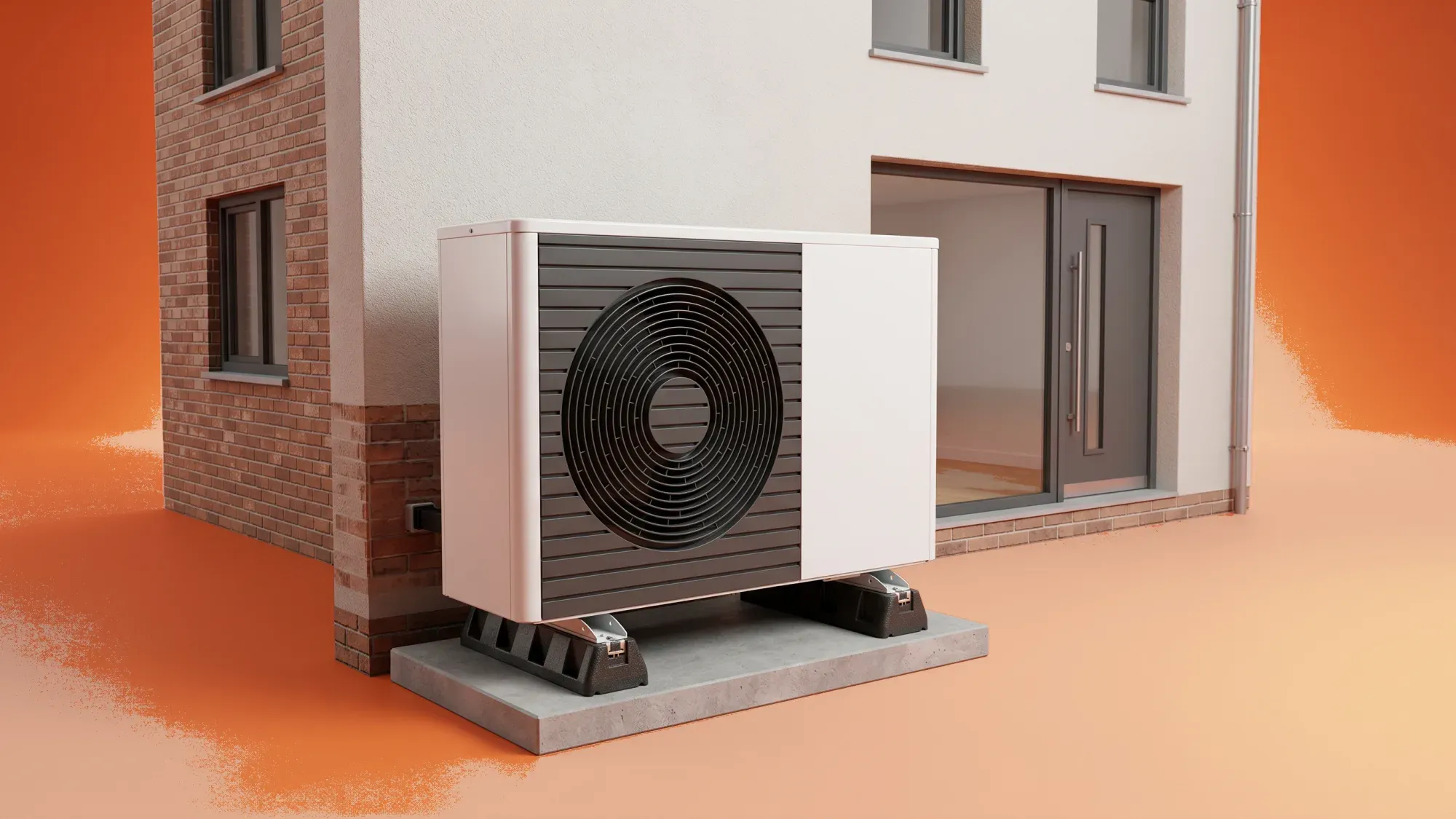
Air source heat pumps (ASHPs) offer an efficient and sustainable way to heat your home and provide hot water, even in colder temperatures. These systems can produce at least 3 kWh of heat energy for every 1 kWh of electricity consumed, significantly reducing your home's carbon emissions compared to traditional fossil fuel boilers. Many homeowners in the UK are exploring whether an air source heat pump is a viable and cost-effective heating solution, particularly regarding long-term running costs and available government support.
What is an air source heat pump?
An air source heat pump (ASHP) operates much like a refrigerator in reverse, extracting latent heat from the outside air and transferring it into your home. This process works effectively even in cold temperatures. Instead of generating heat by burning fuel, ASHPs simply move existing heat, making them incredibly efficient. They can achieve efficiencies of 300% or more, meaning they produce at least 3 kWh of heat for every 1 kWh of electricity used.
How ASHPs work
The core principle behind how an air source heat pump works involves a refrigerant fluid that absorbs heat from the ambient air. This fluid is then compressed, which increases its temperature. The hot, compressed fluid then passes through a heat exchanger, transferring its heat to your home's heating and hot water system. As the refrigerant cools, it expands and returns to its original state, ready to absorb more heat from the outside air. This continuous cycle allows the heat pump system to provide consistent warmth.
Types of air source heat pumps
There are two main types of air source heat pumps:
- Air-to-water systems: These are the most common type for whole-home heating in the UK. They transfer heat to your wet central heating system, warming radiators or underfloor heating, and providing hot water for taps and showers.
- Air-to-air systems: These systems distribute warm air directly into your home via fans, similar to an air conditioning unit. They are often used for heating and cooling specific rooms or open-plan areas.
Benefits of air source heat pumps
Installing an air source heat pump offers several compelling advantages for homeowners, from environmental impact to everyday comfort. These heat pump systems are designed to provide efficient heating and hot water, contributing to a more sustainable and comfortable home.
Energy efficiency and carbon reduction
ASHPs are highly efficient because they move heat rather than generate it. This means they consume less electricity to produce a significant amount of heat, leading to lower energy consumption and reduced carbon emissions compared to gas or oil boilers. By using an air heat pump, you contribute to the UK's efforts to decarbonise home heating.
Consistent home comfort
Unlike traditional heating systems that can fluctuate, an ASHP provides a consistent and steady supply of heat. This leads to a more stable indoor temperature, eliminating cold spots and ensuring your home remains comfortably warm throughout the day. Many air source heat pump owners report a noticeable improvement in overall home comfort.
Potential for long-term savings
While the upfront air source heat pump installation cost can be higher than a conventional boiler, the long-term running costs can be significantly lower due to their high efficiency. Coupled with government grants and smart energy tariffs, the potential for long-term savings makes a heat pump system an attractive investment.
Air source heat pump costs and grants
Understanding the financial aspects of an air source heat pump is crucial for homeowners considering the switch. This includes the initial installation costs, available government grants, and the ongoing running costs.
Installation costs
Typical air source heat pump installation costs in the UK range from £7,000 to £15,000 before grants are applied. The exact cost will depend on various factors, including the size of your home, the complexity of the installation, and any necessary upgrades to your existing heating system or insulation. It is essential to obtain quotes from Microgeneration Certification Scheme (MCS) certified installers for an accurate assessment.
Understanding the Boiler Upgrade Scheme (BUS)
The UK government offers grants to help reduce the upfront costs of installing low carbon heating systems like ASHPs. The Boiler Upgrade Scheme (BUS) is a key initiative for homeowners in England and Wales. The standard BUS grant is £7,500 for air source heat pumps. For households in England and Wales currently using heating oil, an uplifted £9,000 BUS grant is available to help them move off the oil grid.
How do I apply for the BUS grant?
For the BUS grant, the MCS-certified installer you choose will apply on your behalf. You will then be contacted by Ofgem to confirm your consent to the installer's application. The grant value is deducted from your installation quote, simplifying the process for you.
It's important to note that MCS certification is a requirement for both the heat pump product and the installer for a system to be eligible for BUS grants.
Running costs and efficiency in the UK
The running costs of an ASHP in the UK depend on several factors, including the efficiency of the unit, your home's insulation, your energy tariff, and the outside temperature. While ASHPs maintain high efficiency even in cold UK weather, optimising their performance is key to managing costs. The average UK home uses around 2,500 kWh of electricity per year1. By choosing a highly efficient air source heat pump and managing its operation smartly, you can significantly reduce your overall energy expenditure.
Is an ASHP right for your UK home?
Deciding if an ASHP is suitable for your home involves evaluating several factors beyond just the initial air source heat pump cost. It's about ensuring the system integrates effectively with your property and meets your heating demands.
Home suitability and insulation
For optimal ASHP efficiency and performance, adequate home insulation is crucial. Heat pumps work best in well-insulated homes that retain heat effectively. This means checking your loft insulation, wall insulation, and windows. While an ASHP can still provide heating in less insulated homes, its efficiency may be compromised, leading to higher running costs. It's not a direct, like-for-like replacement for a gas boiler without considering these system adjustments.
System integration and hot water
ASHPs can integrate with existing radiator systems, though larger radiators may be needed to maximise efficiency due to the lower flow temperatures of heat pumps compared to traditional boilers. They also provide hot water, often requiring a well-insulated hot water cylinder. An MCS-certified installer can assess your current system and recommend any necessary upgrades.
Addressing cold weather performance
A common concern is how an air source heat pump performs in cold UK weather. Modern ASHPs are designed to operate efficiently even when outside temperatures drop significantly, often to -15°C or lower. While their efficiency might slightly decrease in extreme cold, they continue to provide reliable heating. Proper sizing and installation by an MCS-certified professional ensure your system can handle typical UK winter conditions.
Maximising your ASHP's efficiency with smart energy
Once you have an ASHP installed, the next step is to ensure you're getting the most out of it. This involves smart energy management and leveraging the right energy tariffs to keep your running costs as low as possible.
The role of smart tariffs
Smart tariffs, especially those designed for homes with heat pumps, can significantly reduce your running costs. These tariffs often offer cheaper electricity during off-peak hours, allowing you to run your ASHP when energy is more abundant and affordable. By shifting some of your heat pump's operation to these periods, you can maximise its efficiency and financial benefits.
Monitoring and managing energy usage
Transparent monitoring and management tools are essential for optimising your ASHP. The Fuse app, for example, provides tools to monitor and manage your energy usage, making your ASHP running costs transparent and giving you control over your energy consumption. By understanding when and how your heat pump uses electricity, you can make informed decisions to further reduce your bills.
References
Disclaimer
For the avoidance of doubt, this article is provided for informational purposes only and is not intended to constitute legal or financial advice. The author and/or Fuse Energy shall not be responsible for any losses arising out of any reliance on the information contained herein.