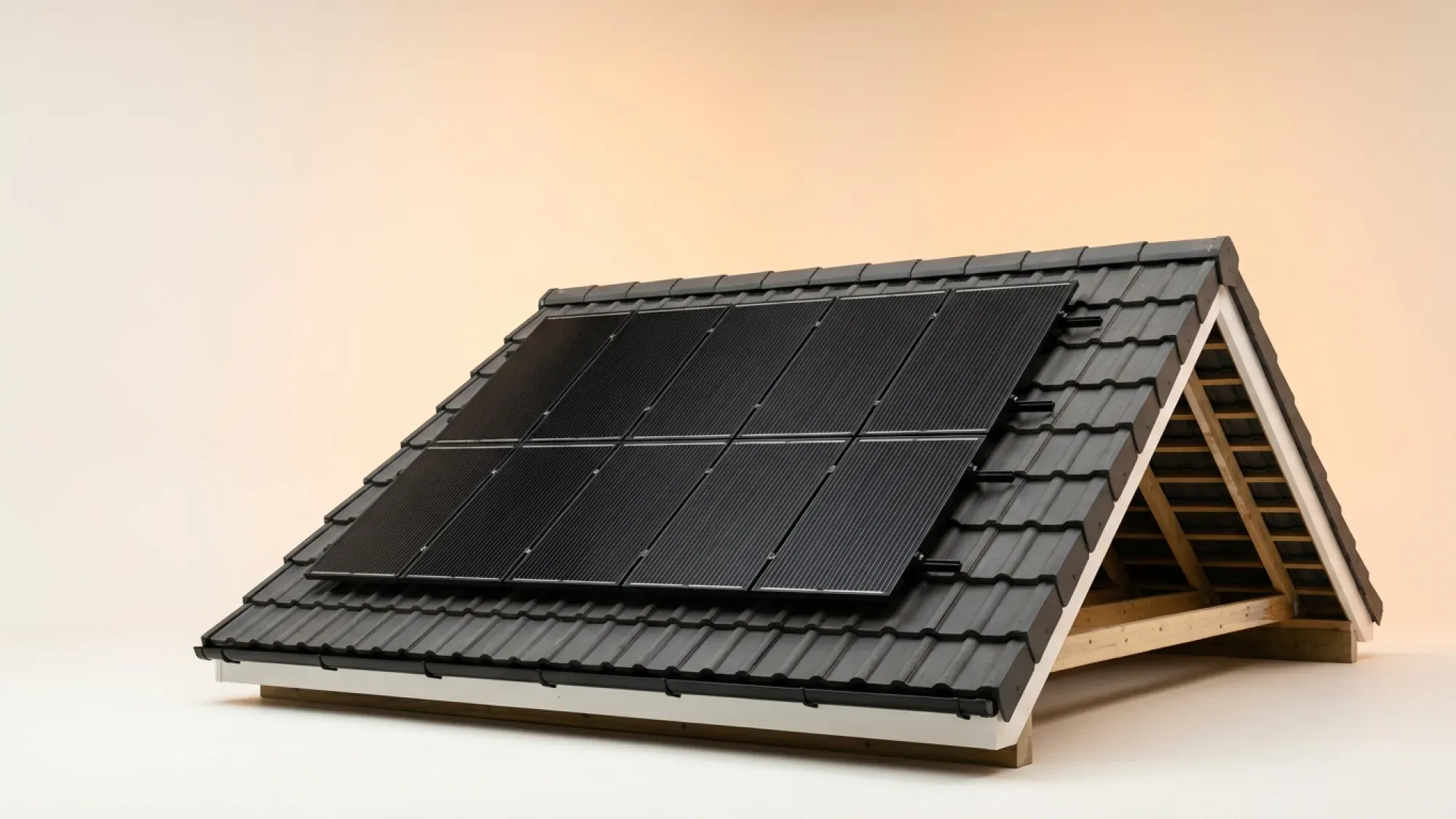
Solar panels can significantly reduce your electricity bills and offer a pathway to greater energy independence, even in the UK's often-cloudy climate. While the initial outlay is a notable investment, understanding the long-term financial and environmental benefits is crucial for any homeowner considering them. This guide explores the costs, savings, and practicalities of installing solar panels, helping you determine if they are a worthwhile addition to your home.
The case for solar panels in the UK
Solar photovoltaic (PV) panels convert sunlight into electricity, reducing your reliance on the National Grid and contributing to energy independence. This technology is becoming an increasingly popular choice for UK homeowners looking to manage their energy costs and contribute to a greener future.
How solar photovoltaic (PV) systems work
Solar PV panels capture energy from the sun using semiconductor materials. When sunlight hits these panels, it excites electrons, generating direct current (DC) electricity. An inverter then converts this DC electricity into alternating current (AC), which is the type of electricity used in your home. Any surplus electricity not used by your home can be exported back to the National Grid.
Environmental and financial advantages
Beyond the obvious financial savings, installing solar panels offers several advantages. They reduce your carbon footprint by generating clean, renewable energy, lessening demand on fossil fuels. Financially, they can lower your energy bills by providing a significant portion of your household's electricity needs. The average UK home uses around 2,500 kWh of electricity per year1, so generating your own power can lead to substantial savings over time.
Understanding the investment: costs and returns
The financial viability of solar panels in the UK depends on several factors, including installation costs, the amount of energy you save, and the revenue you can earn from exporting surplus electricity.
Factors influencing installation costs
The overall cost of a solar panel system is influenced by various elements, such as the size of the system, the type of panels chosen, the complexity of the installation, and any additional components like battery storage. While these costs represent an upfront investment, it is important to consider them against the backdrop of long-term energy savings.
Potential savings and payback period
The savings you could achieve with solar panels come primarily from reducing the amount of electricity you buy from your supplier. The payback period - the time it takes for your energy savings to offset the initial installation cost - varies depending on your electricity consumption habits, the efficiency of your system, and the prevailing electricity prices.
The role of the Smart Export Guarantee (SEG)
The Smart Export Guarantee (SEG) is a UK government-backed scheme that requires licensed electricity suppliers to pay customers for the renewable electricity they export to the National Grid. This means you can earn money for any surplus electricity your solar panels generate but your home does not use. To qualify for SEG payments, your solar panel installation must generally be MCS-certified, have a capacity of 5 MW or less, and use a smart meter capable of half-hourly readings.
What is MCS certification?
MCS (Microgeneration Certification Scheme) is a UK-based quality assurance scheme for renewable energy products and installers. It ensures that solar panels and their installation meet high standards of quality, safety, and performance. MCS certification is crucial for eligibility for financial incentives like the SEG.
Maximising your solar investment with battery storage
Integrating battery storage with your solar panel system can significantly enhance its financial and practical benefits, allowing you to make the most of the electricity you generate.
Why battery storage is key for UK solar owners
Solar panels generate electricity during daylight hours, but your household's energy demand might peak in the evenings when the sun has set. Battery storage allows you to store excess solar electricity generated during the day and use it later, rather than exporting it to the grid at a lower rate. This increases your self-consumption of renewable energy.
Optimising self-consumption and export
With a battery, you can strategically manage your energy. You can store solar power for use during peak demand times, reducing your reliance on grid electricity when it is most expensive. If your battery is full and your home's demand is met, you can then export the remaining surplus to the grid, potentially earning more through SEG tariffs. This smart management helps you get greater value from your solar investment.
Practical considerations for UK homeowners
Before installing solar panels, it is important to consider several practical aspects to ensure the system is right for your home and provides optimal performance.
Assessing your home's suitability
Key factors include your roof's size, orientation, and shading. South-facing roofs generally receive the most sunlight, but east and west-facing roofs can also be viable. An installer will assess your property to determine the best placement and system size for your needs.
Choosing a certified installer
Selecting an MCS-certified installer is paramount. MCS certification ensures that both the products and the installation meet high industry standards for quality, safety, and performance. This not only gives you peace of mind but is also a requirement for accessing schemes like the SEG.
Maintenance and lifespan
Solar PV panels are designed for durability, with most systems in the UK performing well for 20-25 years or more. Some modern models could even have a useful life of 40 years. They require minimal maintenance, typically just occasional cleaning to ensure optimal performance. Regular checks by a qualified professional can help ensure your system continues to operate efficiently throughout its lifespan.
Partnering with Fuse Energy for your solar home
Once your solar panels are installed, the next step is to ensure you are maximising their benefits. Fuse Energy focuses on optimising energy supply and export for homes that already have solar panels and batteries.
Smart energy management for solar owners
Fuse Energy helps homeowners maximise the financial and practical benefits of their solar panels after installation. Through smart tariffs and energy management tools, Fuse empowers you to make informed decisions about your energy use. This aligns with Fuse's vision of a future where abundant energy is managed intelligently, giving customers greater control and advantage.
Getting the most from your exported energy
Fuse's positioning is about "having more" - helping solar owners maximise their surplus energy through smart tariffs and export mechanisms. While Fuse Energy does not offer solar panel or battery installation services, it focuses on optimising your energy supply and export. Fuse's app and smart tools empower solar owners to manage their energy use and exports effectively, giving you control over your energy ecosystem and turning your generation into a tangible advantage.
For the avoidance of doubt, this article is provided for informational purposes only and is not intended to constitute legal or financial advice. The author and/or Fuse Energy shall not be responsible for any losses arising out of any reliance on the information contained herein.