Air conditioning installation for your UK home
More and more British homeowners are considering air conditioning for their homes, no longer as a luxury, but as a necessity for comfort and well-being. With summer temperatures rising, an effective way to keep your home cool has become essential. This article guides you through the considerations for air conditioning installation in the UK, from different systems and installation requirements to costs and, crucially, how to manage energy consumption smartly.
At Fuse Energy, we believe that energy should be abundant and manageable, not a source of anxiety or scarcity. While we don't install air conditioning, we are building the energy infrastructure that makes it affordable to use comfortably. We offer tools and insights to help you manage your air conditioning's energy consumption efficiently, so you can enjoy comfort without fear of excessive energy bills. Click here to switch to Fuse Energy today.
Enter your address to get a quote and see how much you could save
Why air conditioning for your UK home?
British summers are becoming warmer and longer, making home comfort increasingly important. Air conditioning offers more than just cooling; it contributes to a healthier and more pleasant indoor climate.
Comfort and climate control
Air conditioning provides a consistent and comfortable indoor temperature, regardless of the weather conditions outside. This is particularly beneficial during heatwaves, when high temperatures can disrupt sleep and daily life. Modern systems can also dehumidify, contributing to a more pleasant feeling and helping to prevent the growth of mould and mildew.
Health benefits and air quality
Beyond temperature regulation, air conditioning systems can improve indoor air quality. They filter dust, pollen, and other allergens from the air, which can provide relief for people with allergies or respiratory problems. A well-ventilated and cooled home can also increase concentration and productivity, and promote better sleep.
Types of residential air conditioning systems
When considering air conditioning installation, it's important to know the different systems available. Each type has its own advantages and is suitable for specific needs and property types.
Split and multi-split systems
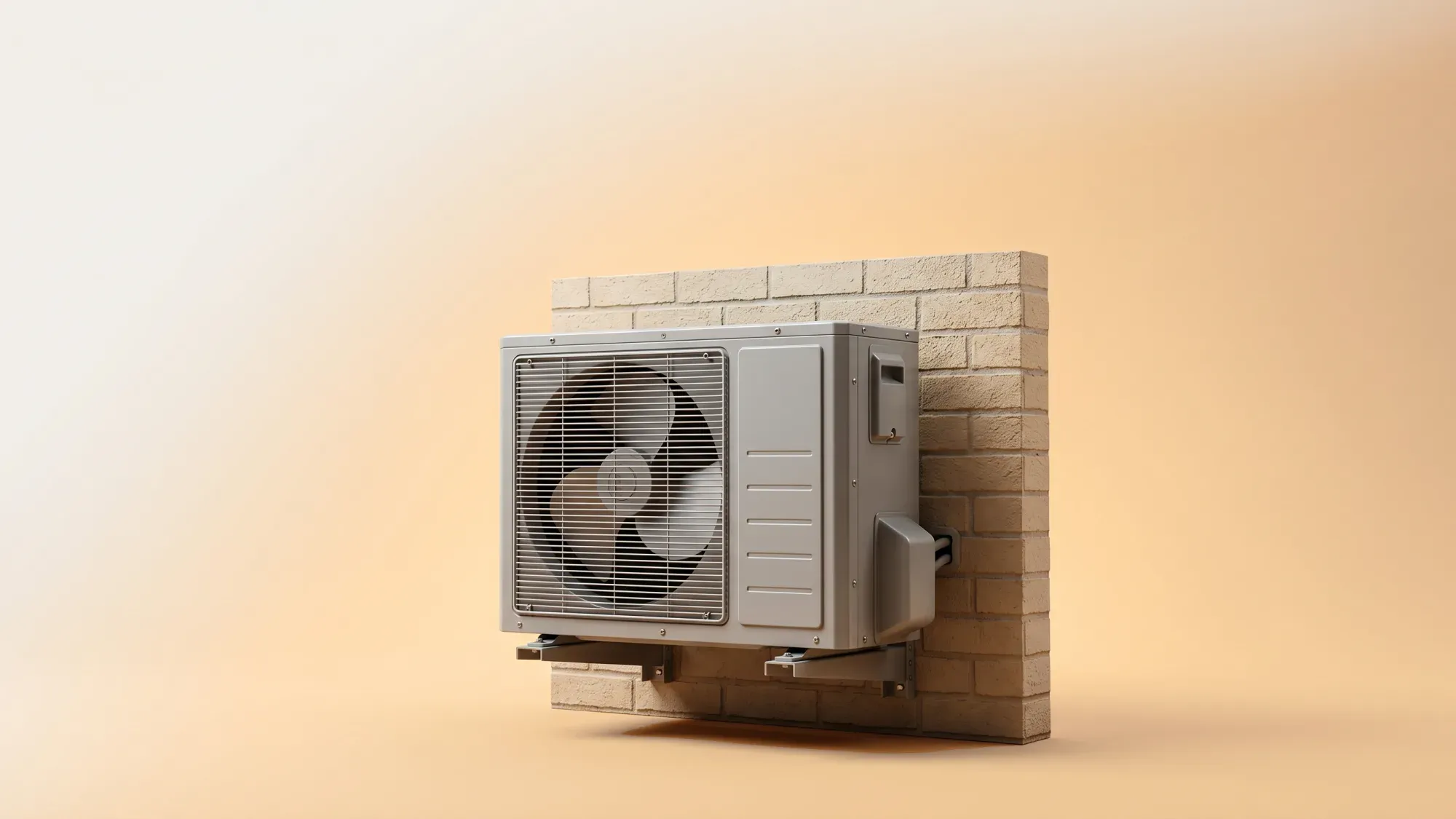
Split systems are the most common choice for homes in the UK. They consist of an outdoor unit (condenser) and one or more indoor units. A single-split system cools one room, while a multi-split system can operate multiple indoor units with one outdoor unit, allowing you to cool or heat different zones in your home independently. These systems are efficient and relatively quiet.
Portable and window units
Portable and window units are often cheaper and do not require permanent installation. Portable units are flexible and can be moved from room to room, but they are generally less efficient and noisier than split systems. Window units are mounted in a window frame and are a fixed solution for one room, but they can affect the aesthetics of your property and may not always be permitted, especially in conservation areas.
Understanding the installation process
Air conditioning installation is a specialised task that requires careful planning and adherence to regulations.
From quote to completion
The process begins by requesting quotes from qualified installers. Ensure the quote covers all aspects of the job, including the unit, installation, materials, and any necessary permits. A professional installer will conduct a site visit to determine the correct system size and type for your home, considering factors such as room size, insulation, and windows. The installation itself involves mounting the indoor and outdoor units, laying pipes and electrical wiring, and commissioning the system.
Permissions and regulations in the UK
Before installing an external air conditioning unit, it is crucial to check UK regulations. Most domestic installations do not require planning permission under 'permitted development rights', as long as the outdoor unit is modest in size (typically less than 1.5 m³ for houses) and discreetly placed.
However, planning permission is required for larger systems, commercial premises, flats, Listed Buildings, or properties in Conservation Areas. For Listed Buildings, 'Listed Building Consent' is almost certainly also needed. In Conservation Areas, any visible external installation will likely require consent. Water-cooled systems without external units can bypass these planning issues in such areas.
All installations must comply with F-Gas regulations, which govern the use of refrigerants in air conditioning and heat pump systems. This means that only F-Gas certified professionals may carry out the installation, maintenance, and handling of refrigerants. Furthermore, Building Regulations apply: Part F for ventilation and Part L for energy efficiency.
Costs and energy efficiency
The cost of air conditioning includes both the initial installation and ongoing energy costs. Understanding these factors is essential for an informed decision.
Installation costs and factors
The installation costs of air conditioning in the UK can vary significantly, depending on the type of unit, its size, and the complexity of the installation. A typical single-split system (one indoor and one outdoor unit) generally costs between £1,500 and £3,500, including installation. For a 12,000 BTU wall-mounted split system, you might expect to pay around £1,800 to £2,500 for the unit and installation combined. Central air conditioning systems, which require a more extensive ductwork network, can range from £5,000 to over £15,000. Labour costs typically fall between £500 and £1,500, depending on the complexity and duration of the job.
Running costs and SEER/SCOP values
The energy efficiency of air conditioning units is measured by SEER (Seasonal Energy Efficiency Ratio) for cooling and SCOP (Seasonal Coefficient of Performance) for heating. These values indicate how efficiently a system performs over an entire season. Higher SEER and SCOP values indicate higher efficiency and lower running costs. A good SEER value for a modern air conditioner typically ranges from 13 to 21, with higher values indicating better efficiency.
What do SEER and SCOP mean?
SEER (Seasonal Energy Efficiency Ratio) measures the cooling performance of an air conditioning system over an entire season, while SCOP (Seasonal Coefficient of Performance) measures the heating performance of a heat pump or AC unit over an entire season. Higher values mean greater energy efficiency and lower running costs.
The average UK home uses around 2,500 kWh of electricity per year1. While air conditioning will increase electricity consumption, choosing an energy-efficient unit and smart energy management can significantly limit the impact on your energy bill.
Smart energy management for your air conditioning
Installing air conditioning is one thing; smartly managing its energy consumption is another. Through smart technologies, you can maximise comfort while controlling costs.
Optimise your usage with smart thermostats
Smart thermostats and energy management systems can optimise air conditioning use, potentially reducing energy consumption. These devices allow you to control your air conditioning remotely, set schedules, and even learn your routine. They can monitor energy usage patterns and help you identify inefficiencies. By using smart thermostats, you could save between £50 and £150 per year on your heating and cooling costs.
Integrate with home systems for efficiency
Integrating your air conditioning with other smart home systems can further improve efficiency. This can range from simple automation, such as turning off the AC when windows are open, to more advanced systems that consider weather forecasts and energy prices. By connecting the air conditioning to a central energy management system, you can take advantage of periods with cheaper, abundant energy, thereby reducing running costs.
Concluding thoughts
Installing air conditioning in your UK home is an investment in comfort and quality of life. By choosing the right system, ensuring professional installation, and implementing smart energy management, you can enjoy a pleasant indoor climate without your energy bills soaring. Understand the regulations, choose a qualified installer, and embrace smart technologies to ensure your air conditioning operates efficiently.
References
Disclaimer
For the avoidance of doubt, this article is provided for informational purposes only and is not intended to constitute legal or financial advice. The author and/or Fuse Energy shall not be responsible for any losses arising out of any reliance on the information contained herein.