AC purchase: costs and considerations
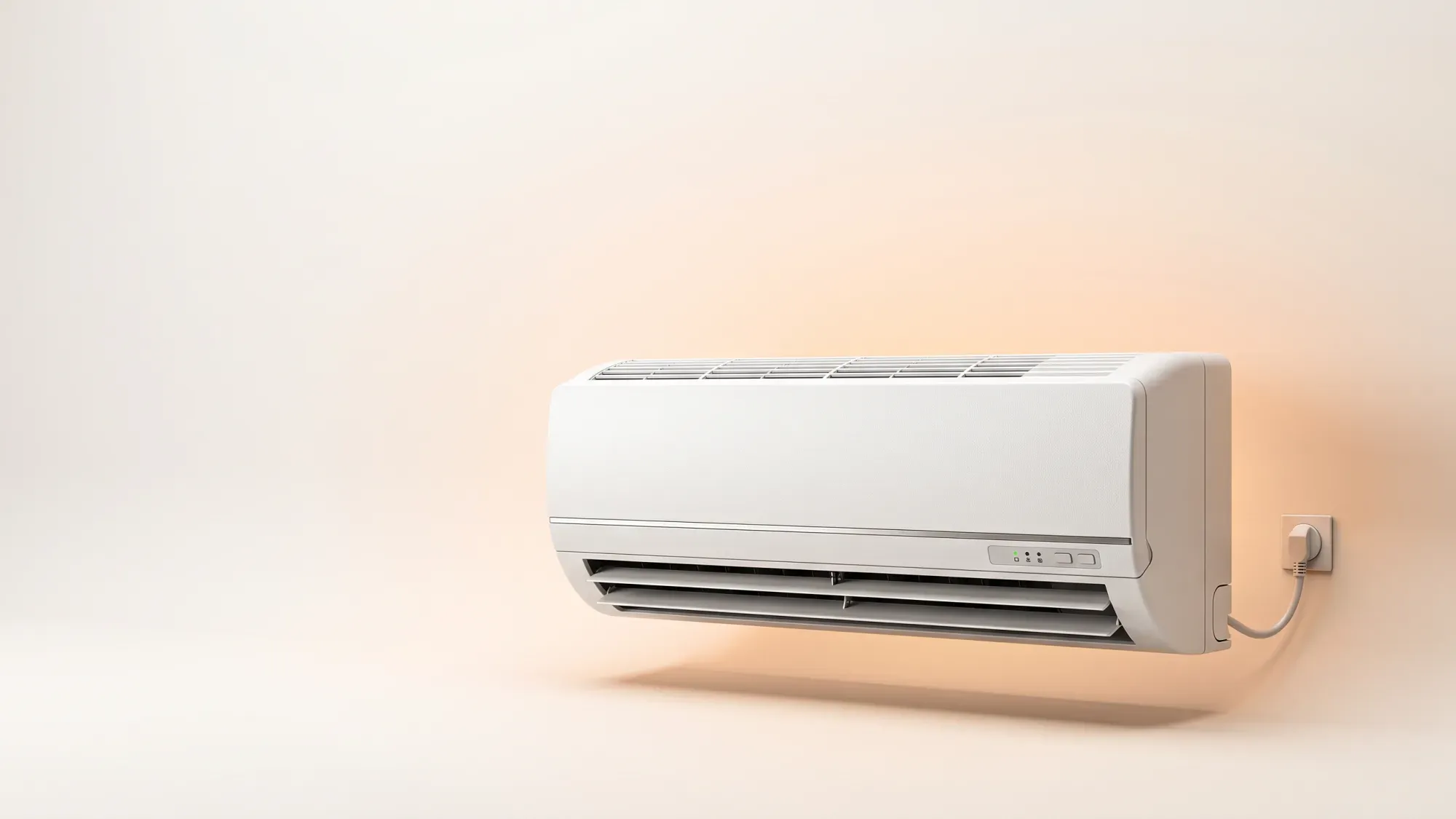
UK homes are increasingly considering air conditioning (AC) for comfort as climate patterns shift. Making an informed decision about purchasing an AC unit involves understanding the upfront installation costs, ongoing running expenses, and crucial energy efficiency ratings. This guide aims to demystify the process, helping you choose the right system without incurring excessive long-term costs.
Considering an AC unit for your home? Fuse Energy can help you manage your electricity usage and costs, ensuring comfort without bill anxiety. Click here to switch to Fuse Energy today.
Enter your address to get a quote and see how much you could save
Understanding air conditioning for UK homes
Why consider AC in the UK?
The UK's climate is changing, with summers experiencing more frequent and intense heatwaves. This has transformed air conditioning from a luxury into a practical consideration for many homes, offering essential cooling during warmer months and often providing efficient heating in winter. Modern AC systems can significantly improve indoor comfort year-round, making homes more pleasant and functional.
Types of air conditioning systems explained
Several types of air conditioning systems are suitable for UK domestic properties. The most popular are split systems, which consist of an indoor unit mounted on a wall and an outdoor condenser unit. These are generally energy-efficient and quieter for both indoor and outdoor operation. Multi-split systems allow multiple indoor units to connect to a single outdoor unit, ideal for cooling several rooms. Portable units offer flexibility but are typically less efficient and noisier. Centralised ducted systems, common in other climates, are less frequently installed in existing UK homes due to the extensive ductwork required.
Key factors for UK homes
When selecting an AC system for a UK home, consider the size of the space to be cooled, as this dictates the required cooling capacity (measured in BTUs or kW). Insulation levels, window efficiency, and the amount of direct sunlight a room receives also influence performance. Planning permission is rarely needed for domestic AC installations, especially for split systems where the outdoor unit is discreetly placed. However, it is always wise to check with your local council, particularly if your home is listed or in a conservation area.
Costs of AC purchase and installation
Initial unit and installation costs
The total cost of an AC system, including the unit and professional installation, varies widely based on its type, brand, and capacity. For a single-room split system, you can expect to pay between £1,800 and £4,500 or more, installed. This includes the unit and labour. Multi-split systems, covering several rooms, typically cost between £3,000 and £6,500+, depending on the number of indoor units and overall complexity. For example, a 2-zone multi-split might cost £3,200-£4,500, while a 4-zone system could be £6,000-£9,500 installed.
Portable units are the cheapest option, typically costing £200 to £1,000, as they do not require professional installation. However, their running costs are often higher due to lower efficiency.
How much does it cost to install air conditioning in the UK?
Installation costs for a domestic split AC system in the UK typically range from £1,800 to £4,500 or more for a single unit, including the unit itself. This figure depends on the system's size, the complexity of the installation, and specific site requirements like the distance between units or the need for electrical upgrades.
Factors influencing total cost
Beyond the unit and basic installation, several other factors can influence the total outlay. These include the brand reputation, warranty length, and any smart features integrated into the system. Higher-efficiency units often have a greater upfront cost but can lead to significant savings on running costs over their lifespan. Always obtain multiple quotes from certified installers to compare prices and ensure you are getting a competitive deal.
Energy efficiency and running costs
Demystifying SEER and SCOP ratings
Energy efficiency ratings are crucial for understanding the long-term running costs of an AC unit. For cooling, the Seasonal Energy Efficiency Ratio (SEER) indicates an AC unit's efficiency over an entire cooling season. For heating, the Seasonal Coefficient of Performance (SCOP) measures efficiency over a heating season. Higher SEER and SCOP ratings mean the unit uses less electricity to provide the same amount of cooling or heating, translating directly to lower energy bills. These ratings are regulated to help consumers make informed choices about energy-efficient appliances.
Estimating your AC running costs
The average UK household electricity unit rate under the Ofgem Price Cap from 1 July to 30 September 2026 is 26.11p per kWh. To estimate your AC running costs, you will need to know your unit's power consumption (in kW) and how many hours you plan to use it. For example, a 2.5 kW AC unit running for 8 hours a day would use 20 kWh. At 26.11p per kWh, this would cost £5.22 for that day's operation. Over a month, this can add up, highlighting the importance of efficiency. The average UK home uses around 2,500 kWh of electricity per year.
Impact of usage patterns on bills
How you use your AC significantly impacts your energy bills. Running the unit constantly at a very low temperature will consume far more electricity than using it intermittently or setting it to a moderate, comfortable temperature. Factors like leaving windows open while the AC is on, or not maintaining the unit (e.g. dirty filters), can also reduce efficiency and increase consumption. Smart usage, combined with an energy-efficient unit, is key to managing costs. Understanding your energy bill can help you identify these patterns and make adjustments.
Smart energy management for your AC
Optimising AC with smart technology
Modern AC units often come with smart features or can be integrated with smart home systems. These technologies allow you to control your AC remotely via an app, set schedules, and even learn your preferences to optimise cooling. This means you can pre-cool your home before you arrive, or automatically turn off the AC when you leave, preventing unnecessary energy waste.
Leveraging tariffs for cheaper cooling
With a smart meter, you can take advantage of time-of-use tariffs that offer cheaper electricity during off-peak hours. By scheduling your AC to run more during these periods, or pre-cooling your home when rates are lower, you can significantly reduce your running costs. Fuse Energy's app provides real-time energy usage insights, helping you monitor and optimise your AC consumption to align with the cheapest times. If you do not yet have one, a smart meter installation can unlock these benefits. Fuse Energy also provides 24/7 human customer support to assist with any energy management queries related to AC usage and tariffs.
Integrating AC into your home energy strategy
Purchasing an AC unit should be viewed within a broader home energy strategy. Consider how your AC usage fits with other energy-intensive appliances and your overall energy consumption. Fuse Energy helps position AC purchase within this strategy, showing how its services can help manage total home energy consumption. By understanding your energy patterns and using tools like the Fuse app, you can ensure comfort without bill anxiety, moving towards a future with more energy capability.
Making your AC purchase decision
Balancing comfort and cost
The decision to purchase an AC unit ultimately involves balancing your desire for comfort with the associated costs. While the initial investment and running expenses can be significant, the benefits of a comfortable home during hot weather are considerable. Prioritise energy-efficient models and consider how smart energy management can mitigate long-term costs.
Questions to ask before buying
Before committing to a purchase, ask potential installers for detailed quotes that break down unit costs, installation fees, and estimated running costs based on your expected usage. Inquire about warranty periods for both the unit and the installation work. Ask about the unit's SEER and SCOP ratings and how these translate into potential savings on your energy bill. Ensure the installer is F-Gas certified, which is a legal requirement for handling refrigerants.
Long-term value and sustainability
An AC unit is a long-term investment. Choosing a highly efficient model not only saves money on bills but also contributes to a more sustainable home by reducing your carbon footprint. Proper maintenance, such as regular cleaning of filters and professional servicing, will extend the unit's lifespan and maintain its efficiency, ensuring you get the most value from your purchase for years to come.
Managing your home's energy should be simple and transparent. Fuse Energy offers clear pricing, real-time usage data through our app, and 24/7 human customer support to help you make the most of your energy. Switching to Fuse is quick and easy, putting you in control of your energy bills. Click here to switch to Fuse Energy today and discover a smarter way to manage your home's comfort. You can also learn more about our mission to make energy abundant by clicking here.
Disclaimer
For the avoidance of doubt, this article is provided for informational purposes only and is not intended to constitute legal or financial advice. The author and/or Fuse Energy shall not be responsible for any losses arising out of any reliance on the information contained herein.